

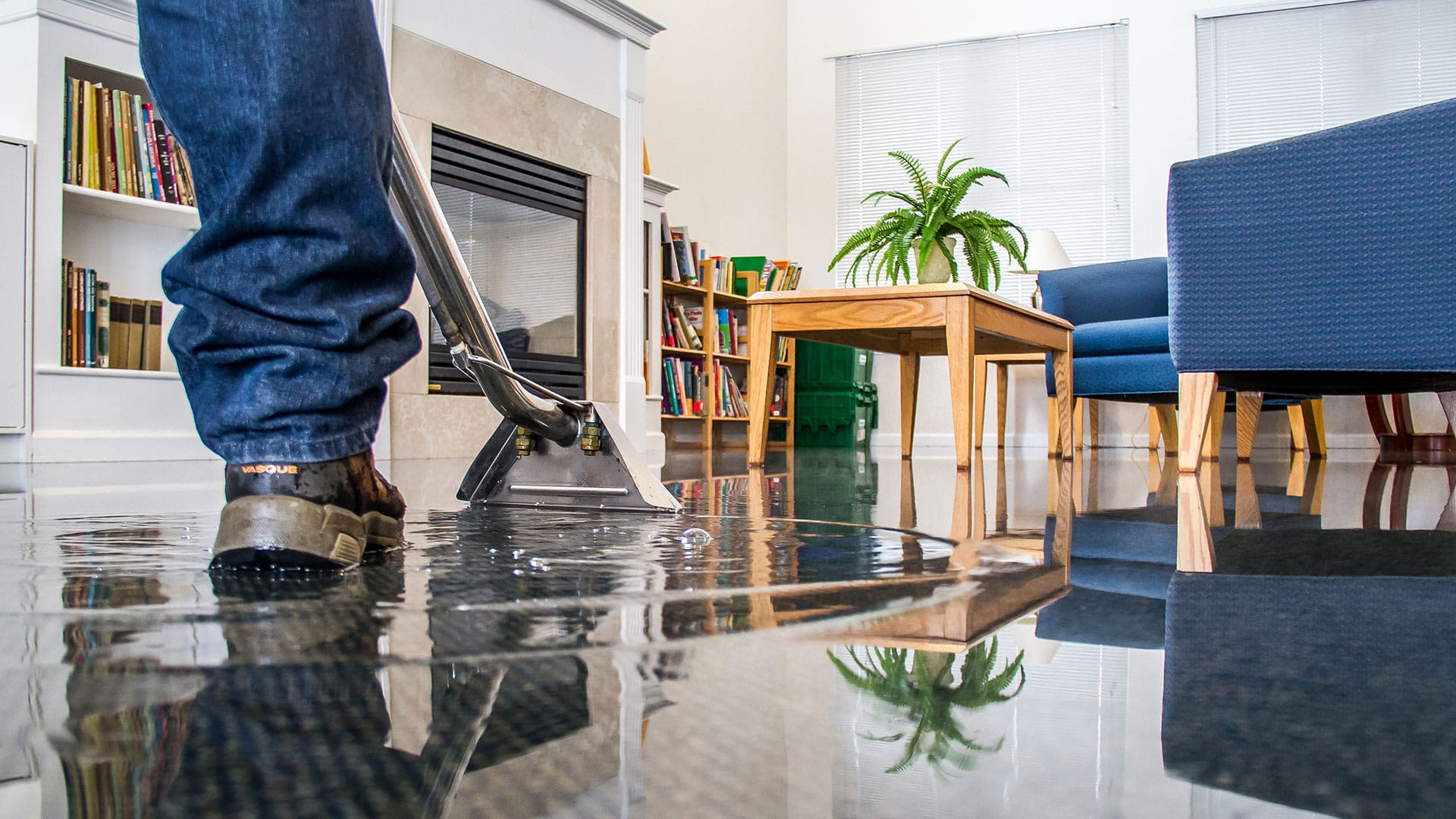
When you’re dealing with water damage, the last thing you want to think about is the environmental impact of the restoration process. But what if you could have a restored space that’s not only safe and functional but also eco-friendly? By incorporating sustainable materials, reducing waste, and promoting energy efficiency, you can minimize the environmental footprint of water damage restoration. You’re probably wondering how this works and what specific changes you can make to your restoration process. Let’s explore the ways you can make a positive impact on the environment while still getting your space back to normal.
Sustainable Materials in Restoration
You’re likely no stranger to the importance of using sustainable materials in various aspects of life, and green water damage restoration is no exception.
In fact, choosing eco-friendly materials is crucial in reducing the environmental footprint of the restoration process. When it comes to building materials, you’ll want to opt for sustainable options like reclaimed wood, low-VOC (volatile organic compound) paints, and recycled materials.
These alternatives not only minimize waste but also promote a healthier indoor environment.
In addition to building materials, the equipment and tools used in the restoration process can also make a significant impact.
Look for energy-efficient equipment, such as LED lighting and fuel-efficient generators, to reduce energy consumption. Furthermore, consider using eco-friendly cleaning products that are free from harsh chemicals and toxins.
Reducing Waste in the Process
When tackling a fire damage restoration near me damage restoration project, it’s essential to reduce waste in the process to minimize the environmental impact.
You can achieve this by implementing a few simple strategies. First, sort and separate materials that can be salvaged or repurposed from those that need to be disposed of.
This will help you identify what can be reused or recycled, reducing the amount of waste sent to landfills. Additionally, consider deconstructing rather than demolishing damaged structures, which allows you to salvage more materials and reduce waste.
You should also use reusable containers and tarps to contain and transport materials, rather than disposable ones. Furthermore, choose restoration products and materials with minimal packaging or those that use biodegradable or recyclable packaging.
Energy Efficiency in Drying
Efficiency is key in the water damage restoration process, and it’s especially crucial when it comes to drying.
You want to remove excess moisture from the affected area as quickly and efficiently as possible to prevent further damage and potential health hazards.
One way to achieve this is by using energy-efficient drying equipment. Look for machines with high Energy Star ratings, which indicate they meet energy efficiency standards set by the U.S. Environmental Protection Agency.
Non-Toxic Cleaning Solutions Used
Your green water damage restoration team’s go-to cleaning solutions are just as important as their energy-efficient drying equipment. You want to make sure they’re using products that are safe for your family, pets, and the environment.
Non-toxic cleaning solutions are a must-have for any eco-friendly restoration process. These solutions are biodegradable, free of harsh chemicals, and gentle on surfaces. They effectively remove dirt, grime, and bacteria without leaving behind harmful residues or strong odors.
When it comes to cleaning, your team should opt for plant-based or natural solutions that are EPA-approved and meet the highest environmental standards.
These products are just as effective as their chemical-based counterparts, but with a much lower environmental impact. From all-purpose cleaners to disinfectants, your team should have a range of non-toxic solutions at their disposal.
Eco-Friendly Disposal Methods
As you focus on restoring your home to its pre-damage state, you’re likely to generate a significant amount of waste.
It’s essential to dispose of this waste in an eco-friendly manner to minimize your environmental footprint. Start by separating materials into categories, such as recyclables, organic waste, and non-recyclable materials.
This will make it easier to determine the best disposal method for each type of waste.
For recyclables, contact your local recycling center to learn what materials they accept. You can also consider repurposing or donating items that are still in good condition.
Organic waste, like wet drywall or carpeting, can be composted or sent to a waste-to-energy facility.
Non-recyclable materials should be disposed of through a licensed waste disposal company that follows environmentally responsible practices.
Remember to always follow local regulations and guidelines for waste disposal.
By adopting eco-friendly disposal methods, you’ll not only reduce your environmental impact but also set a positive example for others to follow.
Conclusion
By adopting eco-friendly practices, you’re not only restoring your space but also contributing to a sustainable future. You’ve learned how to choose sustainable materials, reduce waste, and promote energy efficiency in the drying process. You’ve also discovered the importance of non-toxic cleaning solutions and eco-friendly disposal methods. Now, it’s time to put these green water damage restoration practices into action, reducing your carbon footprint and promoting a healthier indoor environment.