

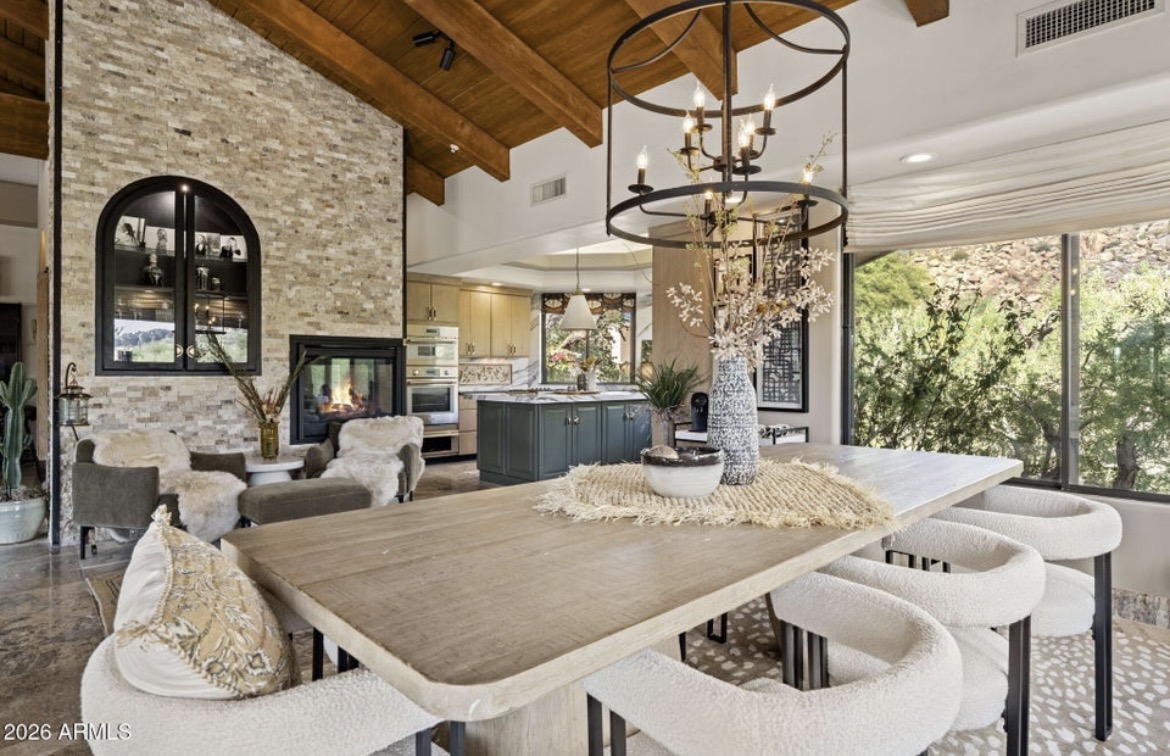
In 2024, the Sereno Canyon Homes, Scottsdale Az estate market is experiencing an unprecedented convergence of luxury and affordability—driven by historically low interest rates. While this “relaxed real estate” trend is often celebrated as a buyer’s paradise, a deeper analysis reveals significant undercurrents of risk that mainstream narratives ignore. This article examines how the current luxury real estate boom is masking systemic vulnerabilities, particularly in high-end markets where liquidity constraints and speculative bubbles are emerging.
The Paradox of Affordable Luxury
According to the National Association of Realtors (NAR), luxury home sales in Q3 2023 surged 22% YoY, with median prices exceeding $1.2 million. Yet, the Federal Reserve’s 4.5% mortgage rate—still historically low—has paradoxically fueled a surge in high-leverage purchases. A 2024 JPMorgan Chase study found that 38% of luxury buyers financed over 80% of the home price, up from 25% in 2021. This trend suggests that while luxury homes may appear “affordable,” the financial strain is being deferred rather than eliminated.
Emerging Liquidity Crises in High-End Markets
While low rates boost demand, they also create perverse incentives. In premium markets like Miami and Aspen, where inventory is tight, sellers are under pressure to accept lower offers to avoid prolonged market exposure. A 2024 Redfin report shows that luxury homes in these areas are spending an average of 45 days on the market—down from 60 days in 2023—indicating a shift from traditional negotiation to accelerated sales. This dynamic raises concerns about whether these markets are entering a phase of forced liquidity, where sellers are compelled to sell at depressed prices rather than wait for ideal conditions.
Key Indicators of Liquidity Stress
- Increase in “distressed” luxury sales (foreclosures, short sales) in 2024
- Growth in “as-is” purchases, where buyers accept properties without renovations
- Rise in all-cash transactions, signaling a lack of traditional financing options
The Speculative Bubble in Relaxed Real Estate
Beyond liquidity, the relaxed real estate environment is fostering speculative activity that could lead to a bubble. A 2024 BlackRock analysis reveals that luxury real estate assets now account for 18% of the firm’s global portfolio, up from 12% in 2022. This institutional investment surge is being driven by low rates and perceived safety, but it also creates a feedback loop where rising demand further depresses supply.
Warning Signs of a Bubble
- Disproportionate price growth in luxury segments (e.g., +15% YoY in Manhattan vs. +5% in suburban areas)
- Decline in off-market deals, a traditional indicator of market health
- Increase in “phantom” listings—properties listed but not actively marketed
Contrarian Perspective: When Relaxed Real Estate Becomes Reluctant
Contrary to conventional wisdom, the current relaxed real estate environment may soon become “reluctant”—where sellers hesitate to list due to fear of market downturns. A 2024 CBRE survey found that 42% of luxury sellers are delaying listings, citing uncertainty about future interest rate movements. This reluctance could exacerbate supply shortages, creating a self-reinforcing cycle of stagnation.
Implications for Investors
- Higher risk of capital loss if rates rise unexpectedly
- Potential for “fire sales” when buyers panic
- Increased competition for limited inventory
Conclusion: The Illusion of Stability
The relaxed real estate trend of 2024 is a double-edged sword. While low rates create an illusion of stability, the under risks—liquidity constraints, speculative bubbles, and seller reluctance—are emerging as critical vulnerabilities. Investors and buyers must recognize that this period of affordability may be temporary, and the market’s true resilience will be tested when rates inevitably normalize. The key question for the industry is not whether the relaxed real estate era will end, but when—and how prepared it is for the transition.