
Ultimate Flags Co More Than Just Flags A Celebration of Pride and Heritage
When it comes to expressing identity, values, and pride, few things speak as loudly as a flag. For over two decades, Ultimate Flags Co. has been helping people across the country do just that—offering an astonishing selection of flags that tell stories, honor traditions, and celebrate individuality.
Founded in 1997 and proudly based in Florida, Ultimate Flags Co. has earned a reputation as America’s premier online flag store. But what makes them truly stand out isn’t just the size of their collection—it’s the heart and dedication behind every flag they sell.
A Flag for Every Story
Walking through their vast catalog is like taking a journey through history, culture, and personal expression. Whether you’re searching for a classic American flag to wave on the Fourth of July, a historic Revolutionary War banner, a military insignia that honors a loved one’s service, or even a fun, novelty flag to brighten your garden, Ultimate Flags has you covered.
Their extensive inventory goes beyond traditional flags, featuring everything from political banners and second amendment flags to themed decorative flags for holidays and special occasions. This isn’t just about decoration—it’s about helping people express who they are and what they believe in.
Quality That Speaks Volumes
In a market flooded with cheap, mass-produced products, Ultimate Flags Co. has carved out its niche by prioritizing quality above all else. Each flag is crafted to withstand the elements and retain its vibrant colors for years, ensuring that the symbol it represents never fades—literally or figuratively.
Customers consistently praise the durability and craftsmanship of the flags, highlighting not only the materials but the attention to detail, such as embroidered elements and reinforced stitching. This commitment to quality reflects a deeper respect for the stories behind the flags and the people who fly them.
A Company That Cares
What truly makes Ultimate Flags Co. special is its commitment to customer satisfaction. They understand that buying a flag isn’t just a transaction—it’s a personal experience. That’s why they offer friendly, responsive service and fast shipping, often going the extra mile to ensure customers are delighted.
Many customers return year after year, sharing stories of how their flags have become part of family traditions or community celebrations. Whether during the busy holiday season or times of national significance, Ultimate Flags strives to provide not just products, but moments of pride and connection.
Giving Back to Those Who Serve
Ultimate Flags Co. doesn’t stop at selling flags—they believe in honoring the people behind the symbols. The company has actively supported veterans, first responders, and military personnel through donations and special programs. By providing flags to organizations and individuals who serve the country, they reinforce their commitment to patriotism in action.
This spirit of giving is woven into the company’s culture, reminding us that flags are more than fabric—they are emblems of sacrifice, courage, and unity.
Trust Built Over Time
In an age where online shopping can feel impersonal and risky, Ultimate Flags Co. stands out as a trusted partner. Their long history and dedication to transparency have earned the confidence of countless buyers. Many appreciate the company’s openness to feedback and willingness to resolve issues promptly, making every customer feel valued.
This level of care helps transform a simple purchase into a lasting relationship built on trust and mutual respect.
Celebrating Identity and Community
At its core, Ultimate Flags Co. is about more than just flags—it’s about celebrating what makes each person, family, and community unique. Whether flying a flag to honor heritage, political beliefs, or simply to decorate a home, their products enable people to visually express their identity in a meaningful way.
The flags sold here become symbols of connection—connecting individuals to their roots, to shared values, and to one another.
Final Thoughts: Raising the Flag on Pride
Ultimate Flags Co. invites us all to raise a banner of pride, history, and heartfelt expression. In a world where so much is transient, their flags stand firm—reminding us of who we are, where we come from, and what we stand for.
If you’re looking for a flag that’s more than just fabric—something that carries meaning and tells your story—Ultimate Flags Co. offers a treasure trove of options crafted with care, quality, and a passion for the symbols that unite us all.
Understanding the Courtroom Role of Workers Compensation Lawyers

When an injury happens at work, the last thing most people want is to find themselves tangled in a complicated legal battle. Yet, sometimes, despite everyone’s best intentions, workers’ compensation claims head into the courtroom—where legal jargon, paperwork, and intense scrutiny can feel overwhelming.
This is exactly where workers’ compensation lawyers step in, serving not just as legal representatives but as guides, advocates, and protectors of injured workers’ rights. Their role in the courtroom is crucial, yet often misunderstood.
If you’re curious about what happens when a workers’ compensation case goes to court, and how lawyers navigate this challenging terrain, keep reading. Let’s break down their courtroom role in a way that’s clear, relatable, and maybe even a little reassuring.
The Reality Behind Workers’ Compensation Court Cases
First off, not every workers’ compensation case ends up in court. Many claims are resolved through negotiations with insurance companies or administrative hearings before workers’ compensation boards.
But when disputes arise—whether it’s a denied claim, disagreement over the extent of an injury, or questions about benefits—the case may escalate to a formal hearing or trial.
For injured workers, stepping into a courtroom can feel intimidating. The rules seem confusing, the stakes high, and the opposing side well-prepared with lawyers and paperwork. This is why having a seasoned workers’ compensation lawyer by your side isn’t just helpful—it’s essential.
More Than Just Legal Counsel: The Advocate You Need
In the courtroom, workers’ compensation lawyers wear many hats. They’re not just speaking for their clients—they’re fighting for their futures.
Their first job is to clearly explain the facts of the case: the nature of the injury, how it happened, and how it has affected the worker’s ability to earn a living. This means presenting evidence in a compelling way, including medical records, expert testimonies, and sometimes even eyewitness accounts.
More importantly, they translate complex legal and medical information into clear, understandable language for judges and other parties involved. They make sure their client’s story isn’t lost in a sea of technical details.
Building a Strong Case with Evidence and Expert Witnesses
Winning a workers’ compensation case often hinges on evidence. Lawyers meticulously gather medical reports, workplace records, and expert opinions that support their client’s claim.
Sometimes, this means calling in medical experts who can explain the severity of an injury or the necessity of certain treatments. Vocational experts might be brought in to testify about how the injury limits the worker’s ability to perform their job or find new work.
A skilled Brisbane Workers Compensation Lawyers knows how to prepare these witnesses, so their testimony is clear, credible, and convincing—helping the judge or hearing officer understand why their client deserves compensation.
Mastering Courtroom Procedures and Deadlines
Courtrooms operate under strict rules and timelines. Missing a deadline or filing paperwork incorrectly can have serious consequences for a claim.
Workers’ compensation lawyers manage these details behind the scenes, ensuring all filings are done on time and hearings are scheduled appropriately. They also prepare clients for what to expect, from answering tough questions to staying calm under pressure.
This preparation reduces anxiety and boosts confidence, making the courtroom experience less daunting for injured workers.
Negotiating Settlements Before or During Trial
While some cases go all the way to a decision, many are resolved through settlement negotiations—even during the courtroom process.
Lawyers leverage their courtroom knowledge and experience to negotiate fair settlements that cover medical expenses, lost wages, and other damages. They weigh the risks and benefits of settling versus continuing the fight, always keeping their client’s best interests front and center.
Protecting Your Rights When Opposing Parties Push Back
Insurance companies and employers sometimes try to minimize their payout or deny responsibility altogether. In the courtroom, their attorneys might challenge the legitimacy of the injury or question the evidence.
Workers’ compensation lawyers anticipate these tactics and counter them strategically. They cross-examine opposing witnesses, present legal arguments, and ensure that their client’s rights are fiercely defended.
The Emotional Anchor During Stressful Times
Facing a legal battle while recovering from an injury can feel overwhelming. Workers’ compensation lawyers often become more than just legal experts—they are emotional anchors.
They offer reassurance, clear communication, and support throughout the process, reminding clients they’re not alone. This human connection is a vital part of their role, helping injured workers navigate not just the legal system, but also the emotional challenges that come with it.
Why Understanding Their Courtroom Role Matters to You
Knowing what a workers’ compensation lawyer does in the courtroom can help injured workers feel empowered rather than helpless. It highlights the importance of hiring a professional who understands both the legal complexities and the personal challenges of workplace injuries.
When you understand their role, you’re better prepared to trust the process, participate actively in your case, and focus on what matters most—healing and moving forward.
Final Thoughts
Workers’ compensation lawyers play a vital role when workplace injury claims reach the courtroom. They’re advocates, strategists, negotiators, and supporters—all rolled into one.
If you or someone you know faces a contested workers’ compensation claim, remember: the courtroom is not a place to go it alone. With a skilled workers’ compensation lawyer by your side, you have someone who knows the terrain, fights for your rights, and helps turn a daunting experience into a path toward justice and recovery.
The Complete UK Student Loan Repayment Guide for 2025 (+ Free Calculators)
A plain-English, action-first pillar built for students, graduates, parents, and advisers.
Start with the core tool, compare plans side-by-side, and make smarter decisions in minutes.
Quick Start (2 Minutes to Clarity)
- Open the main Student Loan Calculator UK to see how much you’ll repay and when.
- Browse all calculators in one place to pick the exact tool you need.
- If you’re new to the system, read How UK student loans work first.
- Unsure which plan you’re on? Begin at UK student loan plans explained and jump to your plan guide.
1) How UK Student Loans Actually Work (Simple, No Jargon)
UK student loans aren’t like typical bank loans. You repay a percentage of your income above a threshold, not a fixed monthly amount. If you never earn enough, you may repay little or nothing, and after a set number of years your balance can be written off. Your plan type (Plan 1, Plan 2, Plan 4, Plan 5, or Postgraduate) sets the threshold, repayment rate, interest, and write-off timeframe.
- Want the full story without fluff? Start with How UK student loans work.
- Need the formal breakdown of plans, thresholds, and rules? See UK student loan plans explained.
Pro tip: Before you dive into details, get a quick personalised snapshot with the Student Loan Repayment Calculator and then refine with the plan-specific tools below.
2) Know Your Plan (or Plans): Plan 1, Plan 2, Plan 4, Plan 5, and Postgrad
Your plan is based on where and when you studied. Each plan has different thresholds, interest rules, and write-off periods. Many graduates also carry more than one plan (e.g., Plan 2 undergraduate + Postgraduate), which affects how deductions happen.
- England/Wales 2012–2023 cohorts? You’re likely on Plan 2 → read the Plan 2 student loans guide and run the Plan 2 Student Loan Calculator.
- England/Wales from 2023 (or later eligible intakes)? See Plan 5 student loans – complete guide and test the Plan 5 Student Loan Calculator.
- Scotland undergraduates? Check Plan 4 student loans – guide and use the Plan 4 Student Loan Calculator (Scotland).
- Pre-2012 loans (mainly England/Wales)? Learn via Plan 1 student loans – complete guide and simulate with the Plan 1 Student Loan Calculator.
- Master’s & Doctoral? Read Postgraduate student loans – guide or the broader UK Postgraduate Student Loans explained, then model repayments with the Postgraduate Loan Calculator.
Have more than one plan? Use the Combined Student Loan Calculator (multiple plans) to see how deductions stack across payroll.
3) Essential Calculators (Pick the Right Tool for the Job)
A) Quick Monthly Picture
- Monthly Student Loan Repayment Calculator — estimate monthly deductions for any plan.
B) Lifetime & Write-Off
- Total Student Loan Cost Calculator — forecast lifetime repayments under typical earnings.
- Student Loan Write-Off Calculator — see potential cancellation dates per plan.
- Prefer a fast check? Try the Student Loan Write-Off Checker.
C) Income & Scenario Tools
- Student Loan Income Comparison Calculator — compare repayments at different salaries.
- Self-Employed Student Loan Repayment Calculator — model SA302/annual return scenarios.
D) Interest & Strategy
- Student Loan Interest Calculator — see how interest accrues on your balance.
- Student Loan Overpayment Calculator — test whether extra payments save you money.
- Investment vs Overpayment Calculator — compare overpaying the loan vs investing the same cash.
4) Compare Like a Pro (Choose the Best Path for You)
Different plans behave very differently over time. Compare them head-to-head to make smarter decisions about careers, further study, and overpayments.
- Plan vs Plan:
- Plan 1 vs Plan 2 — pre-2012 vs post-2012 England/Wales rules.
- Plan 2 vs Plan 5 – comparison — the big switch for newer cohorts.
- Plan 4 vs Plan 5 — Scotland vs newer England/Wales plan.
- Plan 5 vs Postgraduate — undergrad Plan 5 set against PG loan rules.
- Plan 1 vs Plan 2 — pre-2012 vs post-2012 England/Wales rules.
- Undergrad vs Postgrad study:
- Undergraduate vs Postgraduate loans (comparison) — repayment rules, interest, and write-off timelines.
- Undergraduate vs Postgraduate loans (comparison) — repayment rules, interest, and write-off timelines.
- Salary-based comparisons:
- Student loans on a £25,000 salary (comparison) — see how plans behave at entry-level pay.
- Student loans on £50k salary (comparison) — mid-career outcomes across plans.
- Student loans on a £25,000 salary (comparison) — see how plans behave at entry-level pay.
- All comparison tools in one hub: Compare UK student loan repayments.
5) Interest, Thresholds, and Policy (What Moves Your Repayments)
Your monthly deduction depends on income above the threshold; your interest depends on plan rules (and sometimes inflation). Knowing the moving parts helps you predict what happens when you change jobs, take leave, or go self-employed.
- Understand the mechanics in Student loan interest explained and the longer UK Student Loan Interest Rates – current & historical.
- For thresholds and real-world examples, read Student loan thresholds and the dedicated repayment thresholds guide.
- Have specific questions about rates? See Student Loan Interest FAQs for quick answers.
Action step: Combine the policy context with the Monthly Student Loan Repayment Calculator to see the practical effect on your pay packet.
6) Overpay, Invest, or Do Nothing? (Make the Smart Call)
For many graduates, overpaying doesn’t reduce lifetime cost because the loan may be written off before full repayment. For others—especially consistent high earners—targeted overpayments can save interest. It all comes down to your plan, earnings trajectory, and time to write-off.
- Learn the decision framework in Should I overpay my student loan?.
- Test specific amounts and timelines with the Student Loan Overpayment Calculator.
- Compare overpaying vs investing the cash using the Investment vs Overpayment Calculator, then build foundations with Investment basics for UK graduates.
- Curious about a broader perspective? The editorial Investing vs loan repayment guide explores opportunity cost and risk tolerance.
Rule of thumb: Model before you move money. Many overpayments feel good but don’t change your lifetime cost.
7) Real-Life Situations (Salary, Self-Employed, Mortgages, Taxes, Abroad)
A) Different Salaries
Your deductions scale with income. See realistic outcomes with:
- Student loans on a £25,000 salary – comparison and the editorial £25k salary guide.
- Student loans on £50k salary – comparison and the complementary £50k salary guide.
B) Self-Employed or Side-Hustle
Your repayments run through the self-assessment system.
- Start with the Self-Employed Student Loan Repayment Calculator.
- Then read the practical repayment while self-employed guide for admin and timing tips.
C) Mortgages & Homebuying
Student loans can affect affordability checks and how lenders view your take-home pay.
- Get a reality check in Student loans and mortgages.
D) Taxes & Payslips
Know which deductions to expect and how they interact with student loan repayments.
- Read Student loans and taxes to keep surprises off your payslip.
E) Studying or Working Abroad
Rules exist for overseas repayments and income declarations.
- Start with student loans abroad to avoid penalties and admin headaches.
F) Career Path & Profession Differences
Some roles progress quicker, which changes lifetime outcomes.
- Explore the landscape with student loans by profession (comparison) and the adjacent career progression comparison.
G) Family Life & Leave
Maternity, paternity, and parental leave can change your income pattern, which in turn affects repayments for that period.
- Learn your options in parental leave repayments.
8) Plan-Specific Deep Dives (Know the Rules That Apply to You)
When optimising repayments, the details of your plan matter most. Use your plan’s calculator alongside the relevant guide:
- Plan 1: context and thresholds in the Plan 1 student loans guide; simulate outcomes with the Plan 1 calculator.
- Plan 2: details in the Plan 2 student loans guide; estimate deductions with the Plan 2 calculator; for cohort context, read the editorial Plan 2 vs Plan 5 (guide).
- Plan 4 (Scotland): rules in the Plan 4 guide; model numbers with the Plan 4 calculator.
- Plan 5: coverage in the Plan 5 guide; run the Plan 5 calculator; and see head-to-head in Plan 2 vs Plan 5 (compare) or Plan 4 vs Plan 5.
- Postgraduate: details in Postgraduate student loans – guide and UK Postgraduate Student Loans explained; simulate repayments with the Postgraduate calculator; compare against undergrad Plan 5 in Plan 5 vs Postgraduate.
If you carry multiple plans, don’t guess: open the Combined Student Loan Calculator and get a unified projection.
9) New to Finance? Build Confidence First
You don’t need to become an economist to master student loans. Start with the basics, then model your situation.
- A friendly primer is the UK student loan types explained guide.
- To develop financial habits that support your goals, read Investment basics for UK graduates and revisit whether to overpay via Should I overpay my student loan?.
10) Video-Free Learning: Guides, FAQs, and Support
Prefer text over videos? The site is built for scanners and deep-divers alike.
- Browse the full Student Loan Guides UK library for strategies and explanations.
- For quick answers, start with the Frequently Asked Questions, then drill into Repayment FAQs and Interest FAQs.
- Want to know who’s behind the tools? Read About Student Loan Calculator UK.
- Need to reach out? Use the Contact page for questions and feedback.
Cookies, privacy, terms: For transparency and compliance, read the Cookie Policy, the Privacy Policy, and the site’s Terms of Use.
11) Step-by-Step: Get Your Exact Repayment Picture Today
Step 1 — Identify your plan(s).
Open UK student loan plans explained and confirm your cohort. If you studied more than once, you may have multiple plans.
Step 2 — Run a base projection.
Use the Student Loan Repayment Calculator for a top-line view of annual and monthly deductions.
Step 3 — Switch to the plan-specific tool.
Choose the calculator that matches your plan (e.g., Plan 2 Student Loan Calculator or Plan 5 Student Loan Calculator) to refine thresholds and interest.
Step 4 — Model real salaries.
Use the Student Loan Income Comparison Calculator to test offers, promotions, or career moves. Anchor with the salary pieces for context (e.g., £25k comparison or £50k comparison).
Step 5 — Decide on overpayments (or not).
Read Should I overpay my loan? and then test scenarios in the Overpayment Calculator and Investment vs Overpayment Calculator.
Step 6 — Check write-off dynamics.
Balance vs time matters. Use the Write-Off Calculator or the quick Write-Off Checker to see if your balance likely clears before full repayment.
Step 7 — Bookmark the essentials.
Keep all calculators handy, and revisit the interest rates guide when policy updates land.
12) Practical Scenarios (Worked Examples You Can Copy)
Scenario A: Early-Career Graduate on £25,000
- Use the Monthly Repayment Calculator to estimate deductions under your plan.
- Compare outcomes across plans with student loans on a £25,000 salary (comparison) and skim the editorial £25k salary guide for context.
- If you’re on Plan 2 considering Plan 5 dynamics (e.g., partner or siblings), read Plan 2 vs Plan 5 (guide) to understand cohort differences.
Scenario B: Mid-Career Promotion to £50,000
- Model new pay with the Income Comparison Calculator.
- Use student loans on £50k salary (comparison) to see plan sensitivities, and scan the £50k salary guide for tips.
- Thinking about a mortgage? Factor take-home pay and affordability with student loans and mortgages.
Scenario C: Scotland Graduate With Variable Income
- Confirm plan rules in Plan 4 student loans – guide and run the Plan 4 calculator.
- If self-employed for part of the year, combine PAYE + SA with the Self-Employed Repayment Calculator.
- For cross-border comparisons, see Plan 4 vs Plan 5.
Scenario D: Overpay or Invest?
- Learn the frameworks in Should I overpay my student loan?.
- Run numbers using the Overpayment Calculator and compare to returns via the Investment vs Overpayment Calculator.
- Build your base with Investment basics for UK graduates to decide what’s realistic.
13) Glossary-Style Clarifications (30-Second Reads)
- Threshold: Income level after which deductions begin. Track changes via the repayment thresholds guide.
- Interest rate: Varies by plan and policy; see UK Student Loan Interest Rates and Interest FAQs.
- Write-off: Balance cancelled after a set period; test your date with the Write-Off Calculator.
- PAYE vs SA: Payroll vs Self-Assessment; model SA cases with the Self-Employed Repayment Calculator.
- Overpayment: Extra voluntary payment; check if it helps using the Overpayment Calculator.
14) Editorial & Learning Extras (Optional but Useful)
- Plan switching across generations and policy shifts? Read editorial comparisons like Plan 2 vs Plan 5 (comparison) and cohort context via Plan 2 vs Plan 5 (guide).
- Considering further study? Weigh rules with Undergraduate vs Postgraduate loans and undergrad Plan 5 vs Postgraduate.
- Professional pathways matter: explore student loans by profession (comparison) and career progression comparison.
15) Human-Style FAQ (Straight Answers, No Fluff)
Q1) How do I know which plan I’m on?
Check cohort rules at UK student loan plans explained, then open your specific plan guide (e.g., Plan 2 or Plan 5). If you studied more than once, you may have multiple plans—use the Combined Calculator.
Q2) What’s the quickest way to see my monthly deduction?
Use the Monthly Repayment Calculator for a fast snapshot, then refine with your plan-specific calculator.
Q3) Will I ever repay it all?
Maybe, maybe not. Many graduates won’t. It depends on income history and plan rules. Forecast with the Total Loan Cost Calculator and check your write-off date.
Q4) Should I overpay?
Run the numbers before you act. Start with Should I overpay my student loan? then test the Overpayment Calculator and the Investment vs Overpayment Calculator.
Q5) What if I’m self-employed?
Model repayments with the Self-Employed Student Loan Repayment Calculator and read repayment while self-employed for timing and admin.
Q6) How do interest rates affect me?
They change your balance growth but not the percentage you repay each month (that’s driven by income over the threshold). Learn more in Student loan interest explained and check the Interest FAQs.
Q7) Is there a difference between Plan 2 and Plan 5?
Yes—thresholds, interest structures, and write-off timelines differ. See Plan 2 vs Plan 5 – comparison and the deep Plan 2 vs Plan 5 (guide).
Q8) I’m moving abroad. What changes?
Reporting duties and repayment methods may change. Read student loans abroad before you go.
Q9) Where can I find everything in one place?
Use Student Loan Calculators UK – all tools, the Guides library, and the Frequently Asked Questions.
Q10) Who runs this site and how is my data handled?
Read About Student Loan Calculator UK, the Privacy Policy, the Cookie Policy, and the Terms of Use.
16) Compare First, Decide Second (Your Decision Sequence)
- Identify plan(s) → Plans explained
- Run base projection → Repayment Calculator
- Switch to plan tool → e.g., Plan 5 calculator
- Test incomes & offers → Income Comparison Calculator
- Model overpay vs invest → Overpayment Calculator + Investment vs Overpayment
- Check write-off → Write-Off Calculator
- Deepen knowledge → Loan interest explained + Interest rates guide
- Compare plans when uncertain → Compare hub (e.g., Plan 1 vs Plan 2, Plan 4 vs Plan 5, Plan 5 vs Postgraduate)
17) One-Screen Resource Index (Bookmark This)
- Main tool: Student Loan Calculator UK – Understand Your Repayments
- All tools: Student Loan Calculators UK – All Estimators
- Plans overview: UK Student Loan Plans Explained
- Deep guides: Student Loan Guides UK
- FAQs: Frequently Asked Questions · Repayment FAQs · Interest FAQs
- Policy & legal: Cookie Policy · Privacy Policy · Terms of Use
- Contact: Get in touch
- About: Our mission & team
18) Closing: A Simple Way to Win Your Repayments
You don’t have to predict the future. You just need the right tools and a few smart comparisons:
- Run your numbers with the Student Loan Repayment Calculator.
- Confirm plan rules in UK student loan plans explained and your plan’s own guide.
- Compare Plan 2, Plan 4, Plan 5, and Postgraduate routes using the compare hub.
- Decide on overpayments with Should I overpay my student loan? and the strategy calculators.
- Keep learning with loan interest explained and the interest rates guide.
When you know your plan, your threshold, and your likely earnings path, the decisions get simple. Model once, compare twice, and move forward with confidence.
Bonus: Extra Links Referenced in This Guide (for completeness)
The Complete ACFT Guide for Soldiers in 2025 (+ Free Score Calculator)
This is your one-stop, field-tested guide to the Army Combat Fitness Test (ACFT).
Use the official calculators, choose a plan, and pass with confidence.
Quick Start
- Open the ACFT Calculator Tool to see your exact targets by age and sex.
- Browse All Calculators if you know which event you want to check first.
- Review ACFT Standards to learn how the scoring tables work.
- Pick a plan in the ACFT Training Hub and start today.
1) What the ACFT Is (Plain English)
The Army Combat Fitness Test measures your combat-ready fitness.
It replaced the APFT.
It uses six events to test strength, power, speed, core, and endurance.
The six events are:
- 3-Rep Max Deadlift (MDL)
- Standing Power Throw (SPT)
- Hand-Release Push-Up (HRP)
- Sprint-Drag-Carry (SDC)
- Plank (PLK)
- Two-Mile Run (2MR)
Each event gives you points.
Your total is the sum of all six.
Your required numbers depend on your age and sex.
Open the ACFT Calculator Tool to get a clear target in seconds.
2) How Scoring Works (No Guessing)
You get a score for each event.
Better performance equals more points.
Your age and sex set your specific cut lines.
The fastest way to see your numbers is to use the calculators below.
- Deadlift (MDL):
- Score it here → ACFT Deadlift Calculator: 3-Repetition Maximum Deadlift Score
- Alternative version → Deadlift Calculator • ACFT Calculator Pro
- Score it here → ACFT Deadlift Calculator: 3-Repetition Maximum Deadlift Score
- Standing Power Throw (SPT):
- Score it here → ACFT Power Throw Calculator: Standing Power Throw Score
- Alternative version → ACFT Standing Power Throw Calculator
- Score it here → ACFT Power Throw Calculator: Standing Power Throw Score
- Hand-Release Push-Up (HRP):
- Score it here → ACFT Push-Up Calculator: Hand-Release Push-Up Score
- Alternative version → ACFT Push-Up Calculator | Calculate Your Push-Up Score
- Score it here → ACFT Push-Up Calculator: Hand-Release Push-Up Score
- Sprint-Drag-Carry (SDC):
- Score it here → ACFT Sprint-Drag-Carry Calculator: SDC Event Score
- Alternative version → ACFT Sprint-Drag-Carry Calculator | Calculate Your SDC Score
- Score it here → ACFT Sprint-Drag-Carry Calculator: SDC Event Score
- Plank (PLK):
- Score it here → ACFT Plank Calculator: Core Strength Event Score
- Alternative version → Plank Calculator • ACFT Calculator Tool
- Score it here → ACFT Plank Calculator: Core Strength Event Score
- Two-Mile Run (2MR):
- Score it here → ACFT Two-Mile Run Calculator: 2MR Event Score
- Alternative version → Two-Mile Run Calculator • ACFT Calculator Tool
- Score it here → ACFT Two-Mile Run Calculator: 2MR Event Score
Need the whole picture in one place?
Use the ACFT Standards Calculator and confirm ACFT Standards before you train.
3) Event-by-Event Guide (Technique → Scoring → Training)
Each sub-section gives you the test goal, fast technique cues, common errors, and the exact tools to use.
3.1 Deadlift (MDL) — Strength You Can Trust
What it tests: Lower-body strength and bracing.
Core idea: Hinge at the hips, keep the bar close, and drive through the floor.
Fast technique cues:
- Brace first. Lock your ribs down and tighten your core.
- Hips back, shins near vertical, lats on.
- Push the ground away. Keep the bar path close.
Common mistakes (and fixes):
- Rounded back: Lower the load and use tempo reps. Hold a strong brace.
- Bar floats forward: Pull “back to the thighs.” Squeeze your armpits.
- Yanking start: Take tension out of the bar before you pull.
Score it now:
- ACFT Deadlift Calculator: 3-Repetition Maximum Deadlift Score
- Deadlift Calculator • ACFT Calculator Pro
Train it:
3.2 Standing Power Throw (SPT) — Power From the Ground Up
What it tests: Explosive hip drive and coordination.
Core idea: Load legs, snap hips, then release high and far.
Fast technique cues:
- Long reach back, quick dip, tall finish.
- Hips lead, arms follow.
- Throw “up and out,” not only “out.”
Common mistakes (and fixes):
- Arm-only throw: Use a small countermovement. Lead with legs and hips.
- Rushed release: Practice rhythm with lighter medicine ball throws.
- Flat trajectory: Finish tall and look slightly upward.
Score it now:
Train it:
3.3 Hand-Release Push-Up (HRP) — Total-Body Line
What it tests: Upper-body strength and trunk control.
Core idea: Keep a straight body line. Release hands cleanly at the bottom.
Fast technique cues:
- Wrists under elbows.
- Ribs down, glutes on, squeeze the floor.
- Smooth cadence. No jerky reps.
Common mistakes (and fixes):
- Sagging hips: Shorten sets. Stop a rep before you lose the line.
- Flaring elbows: Tuck a bit. Aim elbows at 45°.
- Bouncing chest: Use a full stop and controlled push.
Score it now:
- ACFT Push-Up Calculator: Hand-Release Push-Up Score
- ACFT Push-Up Calculator | Calculate Your Push-Up Score
Train it:
3.4 Sprint-Drag-Carry (SDC) — Speed With Skill
What it tests: Speed, agility, work capacity, and grip.
Core idea: Clean turns and tight transitions win seconds.
Fast technique cues:
- Plan your turns. Eyes up.
- Keep the sled pull straight and brisk.
- Stay low on shuffles. Short, quick steps.
Common mistakes (and fixes):
- Wide, sloppy turns: Place cones and rehearse the path.
- Redline early: Breathe on a cadence. Save a kick for the last carry.
- Wasted steps: Film one run to spot drift and extra steps.
Score it now:
- ACFT Sprint-Drag-Carry Calculator: SDC Event Score
- ACFT Sprint-Drag-Carry Calculator | Calculate Your SDC Score
Train it:
3.5 Plank (PLK) — Core Endurance That Transfers
What it tests: Anti-extension core endurance.
Core idea: Ribs down, glutes engaged, steady breath.
Fast technique cues:
- Elbows under shoulders.
- Pack your neck. Stare at the ground.
- Breathe shallow and steady.
Common mistakes (and fixes):
- Low hips: Reset your brace and glutes.
- Head up: Keep a neutral neck.
- Breath holds: Use repeat clusters to build time.
Score it now:
Train it:
3.6 Two-Mile Run (2MR) — Pace Wins
What it tests: Aerobic endurance and resilience.
Core idea: Even or slightly negative splits with relaxed form.
Fast technique cues:
- Tall posture, quiet arms.
- Light, quick steps.
- Breathe rhythmically to stay calm.
Common mistakes (and fixes):
- Too fast at the start: Use a watch. Open at goal pace or slower.
- No pacing plan: Practice race pace repeats weekly.
- Heavy shoes or odd surfaces: Train in the same gear and on similar surfaces.
Score it now:
Train it:
4) Choose Your Training Path (Time-Bound Plans)
You do not need a perfect schedule.
You need the next session and a clear goal.
Start here and scale up when you can.
- Beginner base (best place to start):
Beginner ACFT Training Program • ACFT Calculator Pro
- Short runway (urgent focus):
2-Week Quick Improvement Plan • ACFT Calculator Pro
4-Week Quick Improvement Plan • ACFT Calculator Pro
- Event-specific blocks (fix your weakest link):
3-Rep Max Deadlift Training Program
Standing Power Throw Training Program
Hand-Release Push-Up Training Program
Sprint-Drag-Carry Training Program
Plank Training Program
Two-Mile Run Training Program
- Full training library:
ACFT Training Hub: Complete Preparation
- Video walk-throughs:
ACFT Training Videos | Expert Tips & Techniques
Tip: After each week, run the matching event calculator.
See how your points move.
Adjust if needed.
Use All Calculators for quick checks.
5) Standards and MOS Context (What Your Role Demands)
Know your numbers.
Then think about your role.
Some jobs may expect stronger performance in specific domains.
Start with ACFT Standards.
If you need a quick check, use the ACFT Standards Calculator.
Then explore MOS-framed standards pages:
- 11B – Infantryman: 11B — Infantryman ACFT Standards
- 13B – Cannon Crewmember: 13B — Cannon Crewmember ACFT Standards
- 19D – Cavalry Scout: 19D — Cavalry Scout ACFT Standards
- 19K – M1 Armor Crewman: 19K — M1 Armor Crewman ACFT Standards
- 12B – Combat Engineer: 12B — Combat Engineer ACFT Standards
- 31B – Military Police: 31B — Military Police ACFT Standards
- 35F – Intelligence Analyst: 35F — Intelligence Analyst ACFT Standards
- 42A – Human Resources Specialist: 42A — Human Resources Specialist ACFT Standards
- 68W – Combat Medic: 68W — Combat Medic ACFT Standards
- 88M – Motor Transport Operator: 88M — Motor Transport Operator ACFT Standards
- 92Y – Unit Supply Specialist: 92Y — Unit Supply Specialist ACFT Standards
- 25B – Information Technology Specialist: 25B — Information Technology Specialist ACFT Standards
New to the Army?
Start with ACFT Resources for New Recruits.
Build a base and learn the test flow.
6) Regulations, Equipment, and Setup (No Surprises)
Train by the book.
Test with the same setup you practice on.
This keeps test day calm and predictable.
- Official policies and rules: ACFT Regulations: Official Policies
- What you need to train and test: ACFT Equipment Guide: Required Gear
- Everything in one place: Resources • ACFT Calculator Pro
Also review site governance so you know who built the tools and how your data is handled:
- Who we are: About ACFT Calculator: Our Mission and Team
- Common questions: FAQs • ACFT Calculator Pro
- Terms of use: Terms of Service | ACFT Calculator Tool
- Privacy details: Privacy Policy | ACFT Calculator Tool
7) The S.C.O.R.E. Method (A Simple Framework That Works)
This five-step loop makes steady progress feel easy.
Use it every training cycle.
S — Set a clear goal.
Open the ACFT Calculator Tool.
Pick a total score and event targets.
Write them down.
C — Check your baseline.
Run a light mock or single-event trials this week.
Log reps, time, and throws.
Confirm points with the event calculators in All Calculators.
O — Organize your blocks.
Choose a focus: strength, power, speed, or endurance.
Use the Beginner Program if you are new.
Short on time? Pick 2-Week or 4-Week plans.
R — Rehearse the test sequence.
Practice the exact order.
Drill transitions.
Do one full mock in the middle of your plan.
E — Execute and adjust.
Test, review, adjust.
Return to the calculators.
Move your focus to the next easiest points.
8) Quick Wins Most Soldiers Can Grab Fast
SDC:
Map the turns.
Shuffle low.
Pull the sled straight.
Use ACFT Sprint-Drag-Carry Calculator after practice to track seconds.
PLK:
Do short clusters with brief rests.
Breathe shallow.
Score gains with the Plank Calculator.
HRP:
Keep a straight line from head to heels.
Stop sets before form breaks.
Check points with the Push-Up Calculator.
2MR:
Open at goal pace, not faster.
Add one weekly threshold run.
See time-to-points with the Two-Mile Run Calculator.
SPT:
Practice rhythm with light throws.
Finish tall.
Track distance gains with the Standing Power Throw Calculator.
MDL:
Use strong bracing and small load jumps.
Confirm point moves with the Deadlift Calculator.
9) Test-Day Flow (Calm, Simple, Repeatable)
The night before:
Lay out gear.
Eat a normal meal.
Get as much sleep as you can.
Warm-up (10–15 minutes):
Light movement.
Hip and thoracic mobility.
Two short rehearsal sets for the first event.
During the test:
Follow the sequence.
Breathe on a rhythm.
Move on after each event.
Do not dwell on one mistake.
After the test:
Log results.
Open the ACFT Calculator Tool.
Plan your next cycle using the ACFT Training Hub.
10) Sample 6-Week Plan (Plug-and-Play)
Use this as a template.
Adjust days around duty, field time, and recovery.
Week 0 (Baseline):
Do single-event trials or a light mock.
Save numbers in the ACFT Calculator Tool.
Weeks 1–2 (Build skill and capacity):
- Day 1: MDL technique + HRP clusters
- Day 2: SPT rhythm + PLK clusters
- Day 3: SDC path rehearsal
- Day 4: 2MR race-pace repeats
Weeks 3–4 (Specificity and rehearsal):
- Day 1: MDL strength + HRP volume
- Day 2: SPT + PLK
- Day 3: SDC full effort
- Day 4: 2MR tempo run
- End of week 4: Full mock test → check ACFT Standards Calculator
Weeks 5–6 (Sharpen and taper):
- Day 1: Event skills at lower volume
- Day 2: SDC + PLK short sets
- Day 3: 2MR short race-pace blocks
- Week 6 start: Final mock → light taper into test day
Short runway?
Swap in 2-Week Quick Improvement or 4-Week Quick Improvement as needed.
11) Complete Resource Index (Bookmark This)
Core tools and hubs:
- ACFT Calculator Tool | Official Army Combat Fitness Test Calculator
- All Calculators • ACFT Calculator Tool
- ACFT Standards
- ACFT Standards Calculator | Find Your Required Scores
- ACFT Training Hub: Complete Preparation
- Resources • ACFT Calculator Pro
Event calculators (A/B versions when provided):
- Deadlift:
ACFT Deadlift Calculator: 3-Repetition Maximum Deadlift Score · Deadlift Calculator • ACFT Calculator Pro
- Standing Power Throw:
ACFT Power Throw Calculator: Standing Power Throw Score · ACFT Standing Power Throw Calculator
- Push-Up (HRP):
ACFT Push-Up Calculator: Hand-Release Push-Up Score · ACFT Push-Up Calculator | Calculate Your Push-Up Score
- Sprint-Drag-Carry:
ACFT Sprint-Drag-Carry Calculator: SDC Event Score · ACFT Sprint-Drag-Carry Calculator | Calculate Your SDC Score
- Plank:
ACFT Plank Calculator: Core Strength Event Score · Plank Calculator • ACFT Calculator Tool
- Two-Mile Run:
ACFT Two-Mile Run Calculator: 2MR Event Score · Two-Mile Run Calculator • ACFT Calculator Tool
Training programs and learning:
- Beginner ACFT Training Program • ACFT Calculator Pro
- 2-Week Quick Improvement Plan • ACFT Calculator Pro
- 4-Week Quick Improvement Plan • ACFT Calculator Pro
- 3-Rep Max Deadlift Training Program
- Standing Power Throw Training Program
- Hand-Release Push-Up Training Program
- Sprint-Drag-Carry Training Program
- Plank Training Program
- Two-Mile Run Training Program
- ACFT Training Videos | Expert Tips & Techniques
MOS-framed standards:
- 11B — Infantryman · 13B — Cannon Crewmember · 19D — Cavalry Scout · 19K — M1 Armor Crewman
- 12B — Combat Engineer · 31B — Military Police · 35F — Intelligence Analyst · 42A — Human Resources Specialist
- 68W — Combat Medic · 88M — Motor Transport Operator · 92Y — Unit Supply Specialist · 25B — Information Technology Specialist
New soldiers:
Regulations, equipment, governance:
- ACFT Regulations: Official Army Combat Fitness Test Policies
- ACFT Equipment Guide: Required Gear for Army Combat Fitness Test
- Resources • ACFT Calculator Pro
- About ACFT Calculator: Our Mission and Team
- FAQs • ACFT Calculator Pro
- Terms of Service | ACFT Calculator Tool
- Privacy Policy | ACFT Calculator Tool
12) Human-Style FAQ (Clear Answers, Quick Links)
Q1) What is the fastest way to find my required scores?
Use the ACFT Standards Calculator.
Then confirm details on ACFT Standards.
Q2) I have two weeks. Can I still improve my total?
Yes.
Run the 2-Week Quick Improvement Plan.
Focus on SDC, PLK, and HRP for rapid gains.
Q3) I am brand new. Where should I start?
Read ACFT Resources for New Recruits.
Then follow the Beginner Program.
Q4) Which events give most soldiers the fastest points?
Usually SDC, PLK, and HRP.
Check progress after each session with All Calculators.
Q5) How often should I rehearse the full test?
At least once mid-plan and once near the end.
Use the ACFT Calculator Tool to compare totals.
Q6) What if my deadlift stalls?
Drop the load slightly.
Add tempo work and clean bracing.
Follow the 3-Rep Max Deadlift Training Program and track points with the Deadlift Calculator.
Q7) How do I pace the Two-Mile Run?
Aim for even or negative splits.
Practice race-pace repeats weekly.
Use the Two-Mile Run Calculator to translate seconds into points.
Q8) Where can I see the movements done right?
Watch the ACFT Training Videos.
Then practice with your unit’s setup.
Q9) What gear do I need for training?
Check the ACFT Equipment Guide.
Use the same or similar gear on test day.
Q10) Where do I read official rules?
See ACFT Regulations.
They summarize policy and link to source documents.
Q11) Who made these tools? Are they safe to use?
Read About ACFT Calculator for the team’s mission.
Review Terms and Privacy for details.
Q12) How do MOS pages help me?
They frame standards for your job.
Explore your role, like 11B, 13B, or 19D.
Browse all MOS cards on ACFT Standards.
Q13) Can I change my plan mid-cycle?
Yes.
Shift focus to the event with the best return.
Pick a matching block in the Training Hub.
Q14) What if I have four weeks?
Use the 4-Week Quick Improvement Plan.
Do one full mock at the end of week two.
Q15) How can I see everything in one place?
Open All Calculators for quick tools.
Use ACFT Standards for tables and MOS links.
13) Final Checklist (Print and Go)
- I ran my numbers in the ACFT Calculator Tool and saved targets.
- I picked a plan: Beginner, 2-Week, or 4-Week.
- I scheduled one mock at the halfway point and one near the end.
- I set two mini-sessions a week for my weakest event.
- I reviewed Regulations and the Equipment Guide.
- I watched key cues in the Training Videos.
- I know where to find standards: ACFT Standards and the Standards Calculator.
14) Closing Thoughts (You’ve Got This)
You do not need a perfect week to pass the ACFT.
You need clear targets, short focused sessions, and two rehearsals.
Use the calculators to guide every step.
Pick a plan that fits your life.
Train with intention.
Show up calm on test day.
Then come back and set your next goal.
Start here: ACFT Calculator Tool
Continue here: ACFT Training Hub
Confirm here: ACFT Standards and All Calculators
Legal and Site Info
How CRM Software Improves Customer Satisfaction and Retention
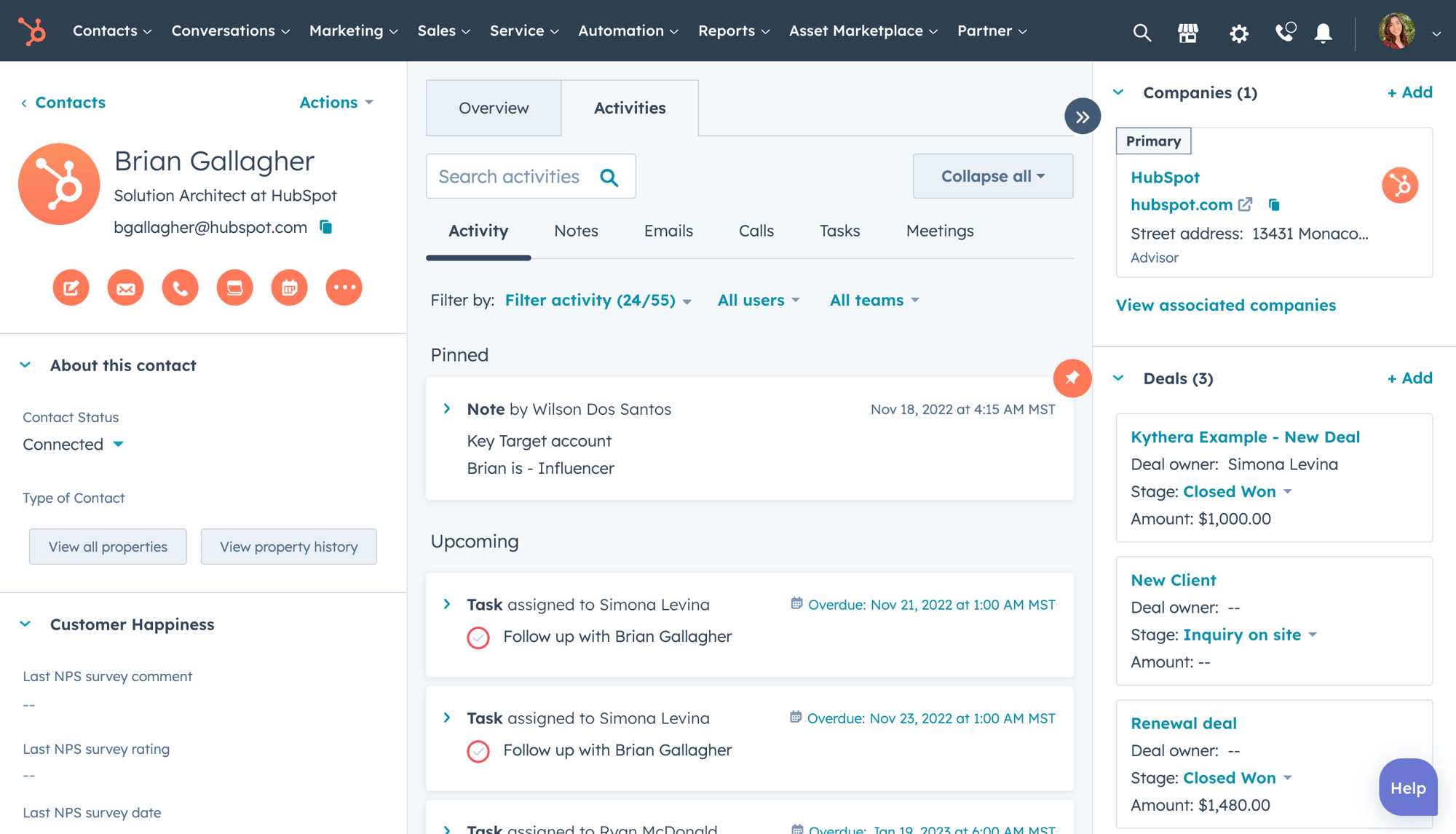
As you strive to build strong, lasting relationships with your customers, you’re likely aware that understanding their needs and behaviors is crucial. But are you leveraging the full potential of customer data to drive satisfaction and retention? By harnessing the power of CRM software, you can unlock valuable insights that reveal patterns, trends, and preferences. This is just the starting point. With CRM, you can tailor your approach to meet specific needs, streamline communication, and deliver targeted marketing campaigns. But that’s not all – there’s more to discover about how CRM can transform your customer relationships.
Understanding Customer Needs Better
Since implementing a CRM system, you’ve been able to gather and analyze a vast amount of customer data, which enables you to understand their needs better.
This wealth of information allows you to identify patterns, trends, and preferences that were previously unknown. You can now pinpoint areas where your customers are struggling, what they’re looking for in a product or service, and what drives their purchasing decisions.
With this newfound understanding, you can tailor your offerings to meet their specific needs, increasing the likelihood of customer satisfaction.
You’ll be able to anticipate and address potential pain points, reducing the risk of customer churn. Moreover, you’ll be able to identify opportunities to upsell or cross-sell relevant products or services, further enhancing the customer experience.
Personalizing Customer Interactions Effectively
You’re now empowered to take customer relationships to the next level by personalizing interactions effectively.
With CRM software, you can tailor your approach to each customer’s unique preferences, needs, and behaviors. By leveraging customer data and analytics, you can create targeted campaigns, offers, and communications that resonate with individual customers.
This level of personalization helps build trust and fosters a sense of loyalty, as customers feel understood and valued.
You can also use CRM data to anticipate customer needs, proactively addressing pain points and delivering solutions that meet their specific requirements. By doing so, you’ll increase customer satisfaction, reduce churn rates, and drive long-term growth.
Furthermore, CRM software enables you to track customer interactions across multiple channels, ensuring a consistent, personalized experience regardless of how customers engage with your brand.
Streamlining Communication Channels
With multiple communication channels at their disposal, customers expect seamless interactions with your brand.
You need to ensure that your communication channels are streamlined to meet these expectations. CRM software helps you achieve this by providing a unified platform for managing customer interactions across multiple channels, including email, phone, social media, and chat.
You can use CRM software to track customer conversations across different channels, ensuring that your team has a complete understanding of customer interactions.
This helps prevent miscommunication, duplication of efforts, and contradictory responses. CRM software also enables you to set up automated workflows and routing rules, ensuring that customer inquiries are promptly addressed and routed to the right team member.
Moreover, CRM software provides real-time visibility into customer interactions, enabling you to identify trends and areas for improvement.
Enhancing Customer Engagement Strategies
Across multiple touchpoints, customers expect personalized and consistent experiences that resonate with their unique needs and preferences.
You can deliver this by using CRM software to enhance customer engagement strategies.
With CRM, you can create targeted marketing campaigns that speak directly to specific customer segments.
You can also use the software to track customer interactions, identifying areas where you can improve their experiences.
Analyzing Customer Data Insights
By leveraging CRM software to enhance customer engagement strategies, you’ve likely accumulated a wealth of customer data.
Now, it’s time to analyze this data to uncover valuable insights that can further boost customer satisfaction and retention.
With CRM software, you can segment your customer base, identify trends, and pinpoint areas for improvement.
You’ll gain a deeper understanding of customer preferences, pain points, and behaviors, enabling you to tailor your marketing efforts, sales approaches, and customer support to meet their specific needs.
Conclusion
You’ve seen how HubSpot CRM software can revolutionize your customer relationships. By understanding customer needs better, personalizing interactions, streamlining communication, and enhancing engagement strategies, you’ll be able to deliver consistent, high-quality experiences that drive satisfaction and retention. With CRM, you’ll analyze customer data insights to identify patterns, trends, and preferences, ultimately reducing churn risk and fostering trust, loyalty, and long-term relationships. It’s time to harness the power of CRM to take your customer relationships to the next level.