

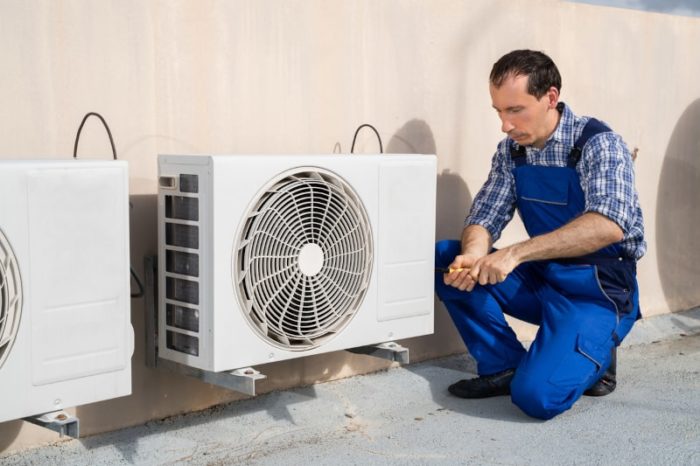
Proper HVAC installation is critical to ensuring a comfortable, energy-efficient, and healthy indoor environment. HVAC, which stands for Heating, Ventilation, and Air Conditioning, is an essential system in residential, commercial, and industrial buildings. Whether you are building a new home or upgrading your existing system, understanding the key aspects of HVAC installation can save you time, money, and future headaches ac repair.
Understanding HVAC Installation
The process of HVAC installation involves several steps, including selecting the right system, proper placement, connecting ductwork or piping, and configuring controls. Each step requires precision and adherence to industry standards. A poorly installed HVAC system can lead to reduced efficiency, increased energy costs, and frequent breakdowns.
Professional technicians typically follow a detailed checklist to ensure a successful installation. This includes assessing the building's heating and cooling load, choosing appropriate equipment, ensuring proper ventilation, and testing the system for performance.
Choosing the Right HVAC System
Selecting the right HVAC system is the first and arguably most important step in HVAC installation. Systems vary in capacity, efficiency, and type. Common options include central air conditioners, heat pumps, furnaces, and ductless mini-split systems. Factors influencing the choice include the size of your property, local climate, and your budget.
An accurate load calculation, often using Manual J guidelines, ensures that the HVAC system can efficiently handle the heating and cooling needs of your space. Installing an undersized or oversized unit can lead to uneven temperatures, higher energy bills, and reduced equipment lifespan.
Preparing for Installation
Before starting HVAC installation, proper preparation is essential. This includes site assessment, removing old equipment if necessary, and verifying the availability of necessary utilities such as electrical connections, gas lines, or water supply.
Additionally, proper planning ensures minimal disruption to your home or business during installation. Experienced HVAC technicians will also check for obstacles that may hinder airflow or equipment placement, such as low ceilings, structural elements, or existing ductwork constraints.
The Installation Process
The HVAC installation process varies depending on the type of system, but generally involves several key stages:
-
Equipment Placement: The indoor and outdoor units must be positioned in locations that maximize efficiency and accessibility for maintenance. Outdoor units need adequate ventilation, while indoor units require proper airflow and clearance.
-
Ductwork and Piping: For central systems, ducts must be installed or modified to ensure optimal air distribution. For split systems, refrigerant lines and drainage piping must be correctly connected. Proper sealing of ducts and insulation prevents energy loss.
-
Electrical and Gas Connections: All electrical wiring and gas lines must meet safety standards. This includes connecting thermostats, circuit breakers, and ensuring proper grounding.
-
System Configuration: After installation, the system is charged with refrigerant if necessary, and the controls are programmed. Technicians verify that the system operates according to manufacturer specifications.
-
Testing and Balancing: A critical final step in HVAC installation involves testing airflow, temperature differentials, and system efficiency. Proper balancing ensures even distribution of air throughout the building, maximizing comfort and energy savings.
Benefits of Professional Installation
Hiring certified professionals for HVAC installation offers numerous benefits. Professionals ensure that your system operates efficiently, adheres to safety standards, and maintains manufacturer warranties. Attempting DIY installation may save money upfront but often results in higher costs due to inefficiency, damage, or voided warranties.
A properly installed HVAC system also contributes to better indoor air quality. Correctly sized and positioned filters, ventilation, and humidity control help reduce allergens, mold, and other indoor pollutants.
Maintenance After Installation
Once your HVAC installation is complete, routine maintenance is essential to keep the system running efficiently. Regular inspections, filter changes, and cleaning of components like coils and ducts extend the life of your system. Many homeowners also schedule annual or semi-annual maintenance with professional technicians to prevent costly repairs.
Conclusion
In summary, HVAC installation is more than just placing equipment in your home or office. It involves careful planning, professional expertise, and precise execution to ensure optimal comfort, energy efficiency, and indoor air quality. Choosing the right system, following proper installation protocols, and committing to regular maintenance can save money and enhance the longevity of your HVAC investment.
For anyone planning an HVAC upgrade or new installation, consulting certified professionals is the best way to ensure a successful, stress-free experience. Proper HVAC installation not only improves your immediate comfort but also enhances the long-term performance and reliability of your system.