
How CRM Software Improves Customer Satisfaction and Retention
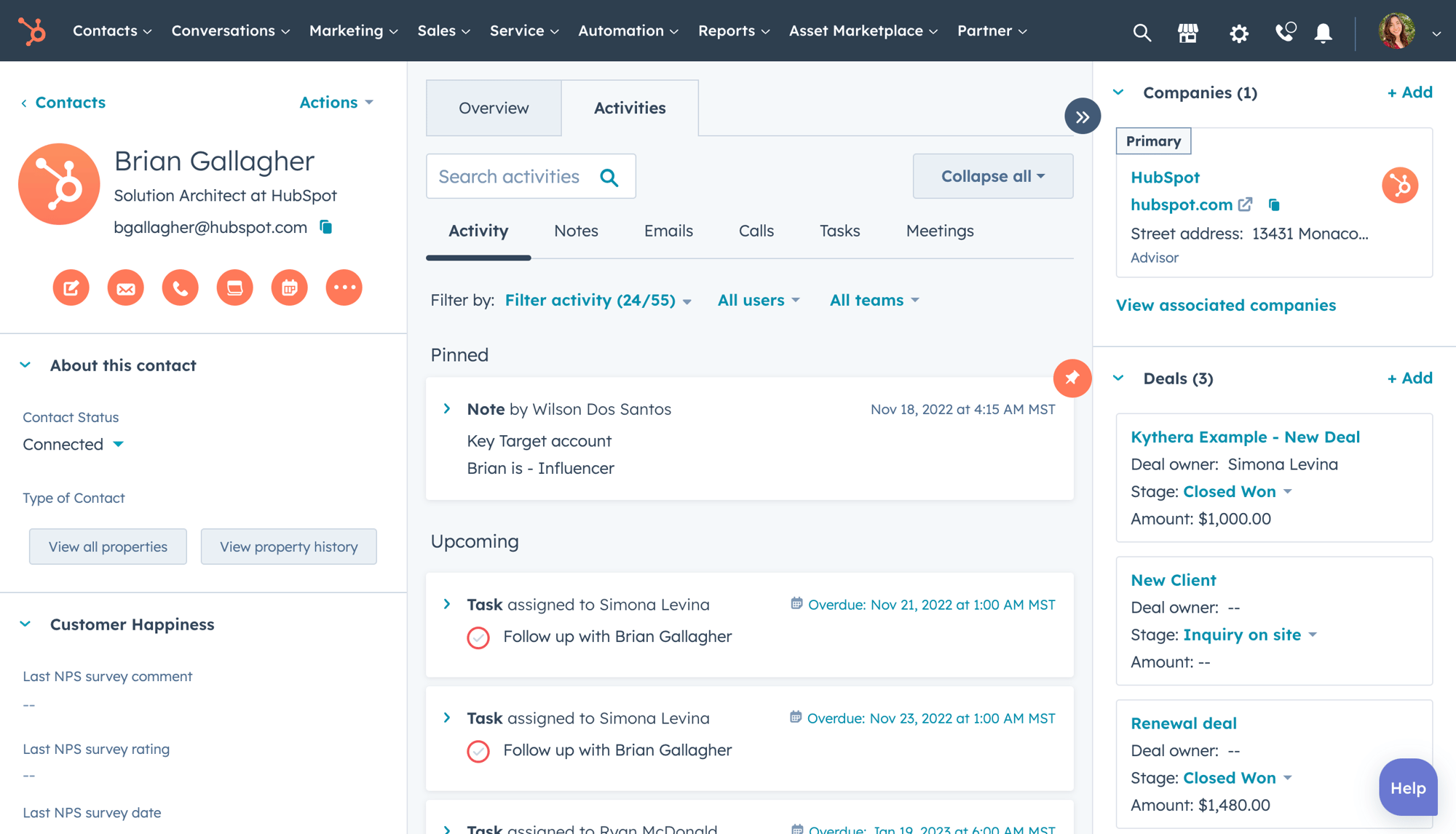
As you strive to build strong, lasting relationships with your customers, you’re likely aware that understanding their needs and behaviors is crucial. But are you leveraging the full potential of customer data to drive satisfaction and retention? By harnessing the power of CRM software, you can unlock valuable insights that reveal patterns, trends, and preferences. This is just the starting point. With CRM, you can tailor your approach to meet specific needs, streamline communication, and deliver targeted marketing campaigns. But that’s not all – there’s more to discover about how CRM can transform your customer relationships.
Understanding Customer Needs Better
Since implementing a CRM system, you’ve been able to gather and analyze a vast amount of customer data, which enables you to understand their needs better.
This wealth of information allows you to identify patterns, trends, and preferences that were previously unknown. You can now pinpoint areas where your customers are struggling, what they’re looking for in a product or service, and what drives their purchasing decisions.
With this newfound understanding, you can tailor your offerings to meet their specific needs, increasing the likelihood of customer satisfaction.
You’ll be able to anticipate and address potential pain points, reducing the risk of customer churn. Moreover, you’ll be able to identify opportunities to upsell or cross-sell relevant products or services, further enhancing the customer experience.
Personalizing Customer Interactions Effectively
You’re now empowered to take customer relationships to the next level by personalizing interactions effectively.
With CRM software, you can tailor your approach to each customer’s unique preferences, needs, and behaviors. By leveraging customer data and analytics, you can create targeted campaigns, offers, and communications that resonate with individual customers.
This level of personalization helps build trust and fosters a sense of loyalty, as customers feel understood and valued.
You can also use CRM data to anticipate customer needs, proactively addressing pain points and delivering solutions that meet their specific requirements. By doing so, you’ll increase customer satisfaction, reduce churn rates, and drive long-term growth.
Furthermore, CRM software enables you to track customer interactions across multiple channels, ensuring a consistent, personalized experience regardless of how customers engage with your brand.
Streamlining Communication Channels
With multiple communication channels at their disposal, customers expect seamless interactions with your brand.
You need to ensure that your communication channels are streamlined to meet these expectations. CRM software helps you achieve this by providing a unified platform for managing customer interactions across multiple channels, including email, phone, social media, and chat.
You can use CRM software to track customer conversations across different channels, ensuring that your team has a complete understanding of customer interactions.
This helps prevent miscommunication, duplication of efforts, and contradictory responses. CRM software also enables you to set up automated workflows and routing rules, ensuring that customer inquiries are promptly addressed and routed to the right team member.
Moreover, CRM software provides real-time visibility into customer interactions, enabling you to identify trends and areas for improvement.
Enhancing Customer Engagement Strategies
Across multiple touchpoints, customers expect personalized and consistent experiences that resonate with their unique needs and preferences.
You can deliver this by using CRM software to enhance customer engagement strategies.
With CRM, you can create targeted marketing campaigns that speak directly to specific customer segments.
You can also use the software to track customer interactions, identifying areas where you can improve their experiences.
Analyzing Customer Data Insights
By leveraging CRM software to enhance customer engagement strategies, you’ve likely accumulated a wealth of customer data.
Now, it’s time to analyze this data to uncover valuable insights that can further boost customer satisfaction and retention.
With CRM software, you can segment your customer base, identify trends, and pinpoint areas for improvement.
You’ll gain a deeper understanding of customer preferences, pain points, and behaviors, enabling you to tailor your marketing efforts, sales approaches, and customer support to meet their specific needs.
Conclusion
You’ve seen how HubSpot CRM software can revolutionize your customer relationships. By understanding customer needs better, personalizing interactions, streamlining communication, and enhancing engagement strategies, you’ll be able to deliver consistent, high-quality experiences that drive satisfaction and retention. With CRM, you’ll analyze customer data insights to identify patterns, trends, and preferences, ultimately reducing churn risk and fostering trust, loyalty, and long-term relationships. It’s time to harness the power of CRM to take your customer relationships to the next level.
Commercial Epoxy Coatings The Ultimate Solution for Durable and Stunning Floors
When it comes to commercial spaces, the flooring plays a huge role—not just in aesthetics, but also in durability, safety, and maintenance. Whether it’s a bustling warehouse, a sleek showroom, a busy hospital, or a high-traffic office, floors have to withstand a lot. Enter commercial epoxy coatings—a revolutionary solution that’s quickly becoming the go-to choice for businesses looking to combine style and function.
What Are Commercial Epoxy Coatings?
Commercial Epoxy coatings are essentially a blend of resin and hardeners that create a strong, resilient surface once cured. Applied over concrete floors, this coating forms a tough, protective layer that’s resistant to wear, chemicals, moisture, and stains. For commercial environments, this means floors that don’t just look fantastic but can also endure heavy foot traffic, machinery movement, and spills without cracking or peeling.
Why Are Epoxy Coatings a Game-Changer for Commercial Spaces?
-
Durability That Lasts
One of the most compelling reasons businesses opt for epoxy coatings is their incredible durability. Unlike traditional flooring options such as tiles or carpets that can chip, crack, or stain easily, epoxy coatings form a seamless, hard surface that withstands impact, abrasion, and heavy loads. This makes it perfect for industrial settings where forklifts and heavy equipment are common. -
Easy Maintenance and Cleaning
A clean workspace is crucial for productivity and safety, and epoxy floors make this easier than ever. Thanks to their smooth, non-porous surface, dust, dirt, and spills can be wiped away effortlessly. This reduces cleaning time and costs, especially important in commercial environments where cleanliness is critical—think hospitals, kitchens, or pharmaceutical labs. -
Enhanced Safety Features
Safety is paramount in any commercial setting. Epoxy coatings can be customized with anti-slip additives that reduce the risk of slips and falls, even when floors are wet. Additionally, epoxy’s reflective surface improves lighting in the space by reflecting both natural and artificial light, which can reduce eye strain and improve visibility. -
Aesthetic Appeal
Gone are the days when epoxy floors were just plain, industrial-looking surfaces. Today’s commercial epoxy coatings come in a variety of colors, patterns, and finishes—from high-gloss to matte, metallic effects to custom logos. This means businesses can elevate their brand image by incorporating floor designs that are both functional and visually stunning. -
Chemical and Moisture Resistance
Commercial spaces often deal with various chemicals, oils, and moisture. Epoxy coatings provide excellent resistance to these substances, preventing damage and degradation of the underlying concrete. This is particularly vital for garages, manufacturing plants, and food processing units where exposure to harsh chemicals is frequent.
Where Are Commercial Epoxy Coatings Used?
Epoxy coatings are incredibly versatile and can be found in a wide range of commercial applications:
-
Warehouses and Manufacturing Plants: For floors that can handle heavy machinery and constant wear.
-
Healthcare Facilities: Where hygiene and cleanliness are non-negotiable.
-
Retail Stores and Showrooms: To create a visually appealing, durable surface that impresses customers.
-
Restaurants and Food Processing Areas: Offering easy-to-clean, stain-resistant flooring.
-
Office Buildings: For stylish, modern floors that reflect the company’s professional image.
-
Garages and Automotive Shops: Protecting floors from oil spills and mechanical wear.
The Application Process: What to Expect
Applying epoxy coatings isn’t just a quick paint job—it’s a detailed process that ensures longevity and performance. It typically involves:
-
Surface Preparation: The concrete floor is cleaned thoroughly, and any cracks or imperfections are repaired. Proper preparation is critical for the epoxy to bond effectively.
-
Priming: A primer is applied to seal the surface and improve adhesion.
-
Epoxy Application: The epoxy mixture is applied evenly using rollers or squeegees. Multiple coats might be necessary depending on the desired thickness and finish.
-
Curing: The epoxy is left to cure for several hours or days, depending on the product and conditions.
-
Optional Topcoat: A protective topcoat can be added for extra durability and shine.
Final Thoughts: Why Your Business Should Consider Epoxy Coatings
Commercial epoxy coatings offer a blend of durability, safety, and beauty that’s hard to beat. For businesses looking to invest in their facilities, epoxy floors represent a smart, cost-effective choice that can save money on maintenance, improve workplace safety, and enhance the overall appearance of the space. Whether you want a sleek, glossy finish or a tough, anti-slip surface, epoxy coatings deliver on all fronts.
So, if you’re aiming to upgrade your commercial flooring to something that works as hard as you do, epoxy coatings might just be the perfect solution. Durable, attractive, and easy to maintain, they’re transforming commercial spaces one floor at a time. Would you like to explore epoxy flooring options for your business? It might just be the upgrade you didn’t know you needed!
Roofers in Luton Your Trusted Experts for Every Roofing Need
When it comes to protecting your home, the roof is your first line of defense. Whether it’s shielding you from Luton’s unpredictable rain showers or insulating your home during those rare but cherished sunny days, a strong, well-maintained roof makes all the difference. That’s where the role of professional roofers in Luton becomes crucial.
But finding the right roofing company can be overwhelming. With so many options, how do you know which roofer is genuinely trustworthy, experienced, and right for your project?
Why Choose Local Roofers in Luton?
Luton is a vibrant town with a mix of traditional and modern homes. From classic Victorian terraces to contemporary new builds, each property type requires a different roofing approach. Local roofers understand the area’s architecture, weather patterns, and even council regulations—making them far better equipped than out-of-town contractors.
Hiring the roofers Luton also means faster response times, more personalized service, and a team that genuinely cares about its reputation in the community. When your roofer lives just a few streets away, they’re not just working on your house—they’re helping a neighbour.
Services You Can Rely On
Professional roofers in Luton offer a full range of services to meet both residential and commercial roofing needs. These include:
-
Roof Repairs – From minor leaks to storm damage, experienced roofers can fix problems efficiently before they become costly disasters.
-
New Roof Installations – Building a new home or extending an existing one? A Luton roofer will ensure your new roof is built to last with quality materials and expert craftsmanship.
-
Flat Roofing – Whether you prefer EPDM rubber, GRP fiberglass, or torch-on felt, local experts can advise on the best material and install it professionally.
-
Tiling & Slating – Keeping that classic British charm alive or adding a sleek modern touch—roofers in Luton can help you choose and install the perfect tiles or slates.
-
Guttering & Fascias – Protect your property from water damage with clean, functioning guttering systems. Many roofers offer gutter repairs and full replacements.
-
Chimney Work – Whether it’s repointing brickwork or safely removing an old chimney stack, local specialists are trained for the task.
The Human Touch: More Than Just Bricks and Mortar
Roofing isn’t just about shingles and scaffolding—it’s about trust, peace of mind, and the safety of your loved ones. The best roofers in Luton understand this. They don’t just show up, do a job, and disappear. They take the time to explain the process, offer honest advice, and treat your home as if it were their own.
It’s the little things that set them apart: turning up on time, cleaning up after the job, respecting your budget, and keeping communication open. That’s the human side of roofing—something that machines and flashy marketing just can’t replace.
How to Choose the Right Roofer in Luton
Here are a few tips to make sure you’re hiring someone reliable:
-
Check Reviews and Testimonials – Word of mouth goes a long way. Look for roofers with consistently high ratings and positive feedback from previous customers.
-
Ask for a Written Quote – A professional roofer will always provide a clear, itemized quote with no hidden charges.
-
Verify Insurance and Accreditation – Don’t be afraid to ask about public liability insurance and memberships in trade associations like NFRC or TrustMark.
-
Look for Guarantees – Many reputable roofers offer warranties on their workmanship, giving you added peace of mind.
Supporting Local Trades Builds Stronger Communities
When you hire a Luton-based roofer, you’re not just getting a service—you’re supporting a local business that, in turn, supports local jobs and contributes to the town’s economy. It’s a win-win for everyone involved.
Final Thoughts
Your roof protects everything you love—your family, your memories, your peace of mind. So when it needs care, repair, or a full replacement, don’t settle for second best. Choose a roofer in Luton who combines skill, integrity, and that all-important personal touch.
Because in the end, a great roof is more than just tiles and timber—it’s about feeling safe under your own roof, come rain or shine.
Arranged Tidings Vs. Simple Machine Scholarship: Key Differences Explained

Artificial Intelligence(AI) and Machine Learning(ML) are two damage often used interchangeably, but they symbolize distinct concepts within the kingdom of advanced computer science. AI is a sweeping domain convergent on creating systems susceptible of playing tasks that typically require human word, such as -making, problem-solving, and language sympathy. Machine Learning, on the other hand, is a subset of AI that enables computers to instruct from data and meliorate their public presentation over time without univocal programing. Understanding the differences between these two technologies is crucial for businesses, researchers, and applied science enthusiasts looking to leverage their potency.
One of the primary differences between AI and ML lies in their telescope and purpose. AI encompasses a wide straddle of techniques, including rule-based systems, systems, cancel terminology processing, robotics, and computing machine vision. Its last goal is to mime homo cognitive functions, qualification machines open of self-directed reasoning and decision-making. Machine Learning, however, focuses specifically on algorithms that identify patterns in data and make predictions or recommendations. It is au fond the that powers many AI applications, providing the intelligence that allows systems to adapt and teach from experience.
The methodology used in AI and ML also sets them apart. Traditional AI relies on pre-defined rules and legitimate logical thinking to do tasks, often requiring man experts to program unequivocal operating instructions. For example, an AI system studied for medical examination diagnosing might observe a set of predefined rules to possible conditions based on symptoms. In , ML models are data-driven and use statistical techniques to instruct from real data. A machine learning algorithmic rule analyzing patient records can find subtle patterns that might not be unmistakable to human experts, facultative more exact predictions and personalized recommendations.
Another key remainder is in their applications and real-world impact. AI has been organic into diverse W. C. Fields, from self-driving cars and realistic assistants to advanced robotics and prophetic analytics. It aims to retroflex human-level intelligence to handle , multi-faceted problems. ML, while a subset of AI, is particularly salient in areas that want model recognition and forecasting, such as sham signal detection, good word engines, and speech communication recognition. Companies often use simple machine encyclopedism models to optimise stage business processes, better customer experiences, and make data-driven decisions with greater preciseness.
The learning work also differentiates AI and ML. AI systems may or may not incorporate encyclopedism capabilities; some rely alone on programmed rules, while others include accommodative encyclopedism through ML algorithms. Machine Learning, by , involves dogging encyclopedism from new data. This iterative aspect process allows ML models to rectify their predictions and improve over time, making them highly operational in moral force environments where conditions and patterns evolve rapidly.
In ending, while AI weekly news Intelligence and Machine Learning are closely correlated, they are not substitutable. AI represents the broader visual sensation of creating sophisticated systems capable of human being-like reasoning and decision-making, while ML provides the tools and techniques that these systems to learn and adapt from data. Recognizing the distinctions between AI and ML is essential for organizations aiming to tackle the right engineering for their specific needs, whether it is automating complex processes, gaining prophetic insights, or edifice intelligent systems that transform industries. Understanding these differences ensures conversant -making and strategic adoption of AI-driven solutions in nowadays s fast-evolving branch of knowledge landscape.
Eco-friendly Materials In The Electronics Packaging Industry
Electronics packaging solutions incorporate a variety of techniques and products developed to make certain the safety and integrity of fragile components throughout the supply chain, from producing to retail racks, and inevitably into the customers’ hands. Amongst the different segments of electronics packaging, electronics boxes especially play an important duty.
The primary function of electronics packaging is to provide appropriate defense throughout transport and storage to mitigate the threats of damages from vibration, moisture, and static electrical power. The style of these plans commonly employs products such as plastic, foam, cardboard, and sometimes a combination of these to use optimum security. Furthermore, several electronic components are sensitive to ecological elements, making safety electronics boxes a necessary financial investment for producers seeking to keep item quality and client complete satisfaction.
When talking about home appliances packaging, the discussion naturally aligns with the wider theme of electronics packaging, as home appliances themselves are composed of many digital components. Effective home appliances packaging not only secures these things however additionally reflects the brand name’s identification through thoughtful style– something that has become increasingly important in a visually-driven customer market.
Check out electronics packaging solutions the developing function of ingenious electronics packaging solutions that improve product protection, brand appeal, and sustainability in today’s tech-driven market.
In the competitive landscape of digital durable goods, focus to information in packaging has a direct influence on a brand’s reputation. A attractive and strong bundle serves a dual purpose: it safeguards the item and lures potential buyers. Additionally, with the surge in shopping, enhancing packaging for delivering performance has become an important emphasis for electronics makers. Automated procedures and equipment knowing modern technologies are increasingly being utilized to develop and produce tailored packaging solutions that minimize waste, reduced delivery prices, and improve sustainability– a climbing worry for customers.
Sustainability has actually emerged as a main style in the packaging industry, spurring the development of environment-friendly electronics packaging solutions. Manufacturers are reacting to growing consumer need for environmentally accountable techniques by investing in eco-friendly materials, recyclable packaging layouts, and innovative methods to lessen waste during the production process. By going with recyclable or compostable materials, brands not only interest a mindful consumer base yet likewise add to the bigger goal of lowering their carbon footprint. Additionally, lasting packaging techniques straighten with ecological initiatives and regulative changes, making them a calculated emphasis for many companies.
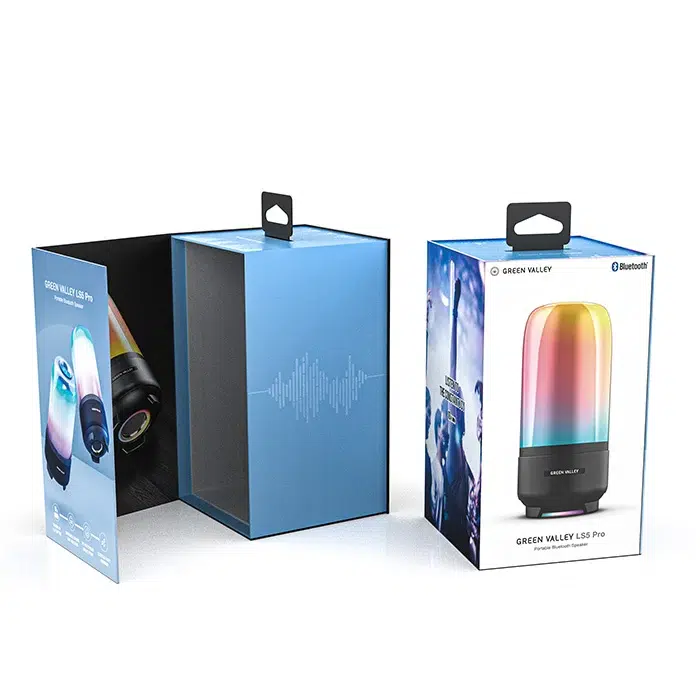
One more essential aspect of electronics packaging, especially for home appliances, is branding. The visual appeals of packaging play an essential function in the consumer’s decision-making process, making it essential for producers to develop packaging designs that resonate with their target market. Color systems, item screens, and helpful labels are all parts that add to the unboxing experience. A famous instance of efficient branding in electronics packaging is Apple, whose minimal yet very functional packaging layout has ended up being a version for success within the market. This level of branding strengthens customer commitment and improves the overall understanding of product high quality.
Check out electronics box the progressing role of ingenious electronics packaging solutions that enhance item security, brand name charm, and sustainability in today’s tech-driven market.
While exploring the myriad aspects of packaging solutions for electronics, it is clear that technical innovations play a significant role fit the future of this market. Automating packaging lines with robotics and expert system can maximize effectiveness and lower human error. Furthermore, smart packaging solutions– integrating QR codes, NFC tags, or RFID technology– enable consumers to connect with products in innovative and brand-new ways, developing included value above and past the physical item itself. As an example, smart tags can provide customers with info about recycling or appropriate disposal approaches, straightening with the expanding pattern of customer empowerment around sustainability.
The role of packaging designers and layout specialists has never ever been more crucial, as they need to skillfully stabilize protection, expense performance, sustainability, and appearance within each package. Collective initiatives in between designers, suppliers, and materials providers are important in locating solutions that satisfy these diverse requirements. As customer preferences change and the market develops, companies that continue to be responsive and dexterous to these modifications will blaze a trail in setting sector standards for electronics packaging.
In verdict, the details of electronics packaging solutions, specifically with regard to electronics boxes and home appliances packaging, highlight the importance of protective, aesthetically appealing, and ecologically liable design. As the electronics market proceeds to change and expand, packaging needs to similarly adapt, welcoming modern technology and sustainability to fulfill the demands of customers today and in the future. The interplay between type and feature will eventually specify the evolution of electronics packaging in the years to come, developing amazing opportunities for those eager to spend in top quality packaging that provides on all fronts.