

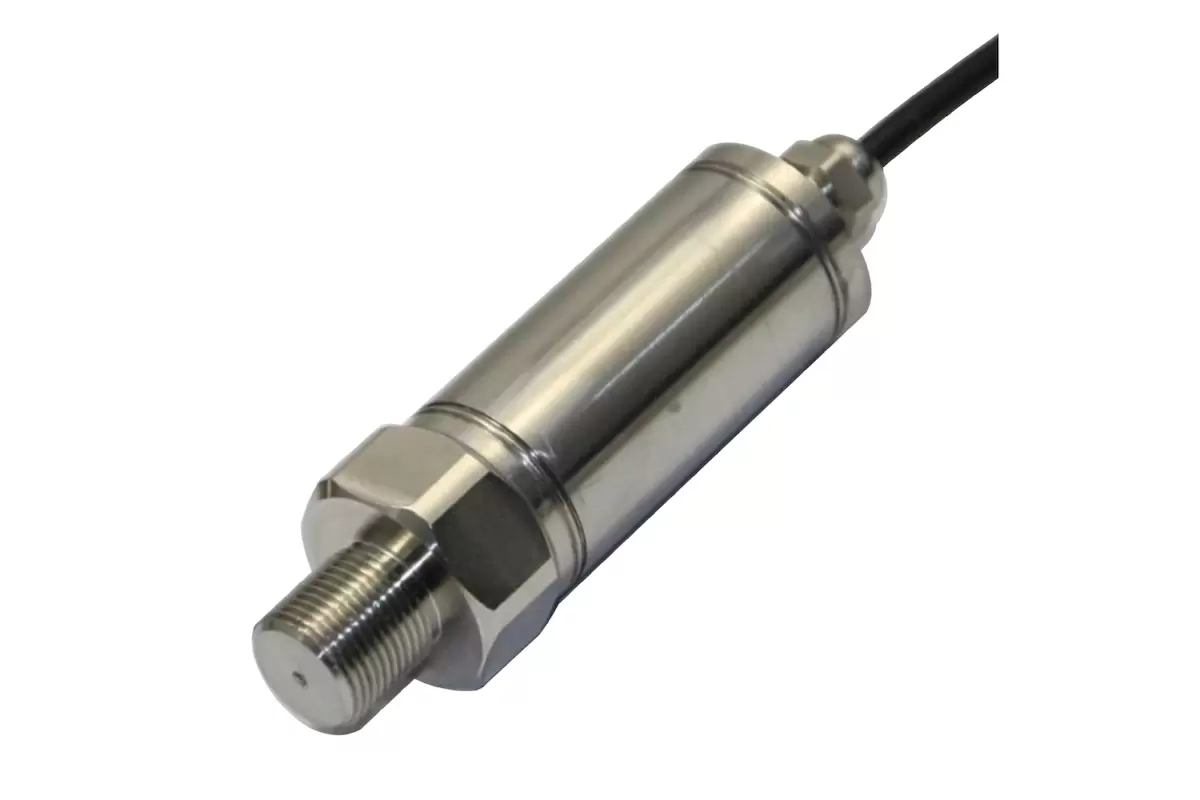
As you explore the industrial landscape, you’ll find that hydrogen pressure sensors are quietly working behind the scenes to ensure safety, efficiency, and optimal performance. From fuel cell manufacturing to hydrogen refueling stations, power generation, and chemical processing, these sensors play a vital role in maintaining ideal pressure conditions. But that’s not all – they also detect anomalies and gas leaks, preventing devastating consequences. You’re likely wondering, what are the most critical applications of hydrogen pressure sensors in industry, and how do they make a tangible impact?
Fuel Cell Manufacturing Processes
Several fuel cell manufacturing processes rely on accurate hydrogen pressure sensors to ensure optimal performance and safety.
You’ll find these sensors in various stages of fuel cell production, from component testing to final assembly. They play a critical role in monitoring hydrogen pressure, which directly affects the fuel cell’s efficiency and lifespan. Inaccurate pressure readings can lead to reduced performance, overheating, or even catastrophic failure.
When you’re manufacturing fuel cells, you need to ensure that each component meets strict specifications.
Hydrogen pressure sensors help you achieve this by providing precise readings, allowing you to adjust and fine-tune your manufacturing process. This results in higher-quality fuel cells that perform consistently and safely. Moreover, accurate pressure monitoring enables you to detect potential issues early on, reducing the risk of defects and recalls.
Hydrogen Refueling Station Safety
At the heart of hydrogen refueling stations lies a critical concern: safety. You’re dealing with highly flammable and explosive gases, so it’s essential to monitor pressure levels accurately.
Hydrogen 水素用圧力センサー sensors play a vital role in ensuring the safe operation of these stations. They detect any anomalies in pressure, allowing operators to take prompt action to prevent accidents.
You need sensors that can withstand the harsh conditions of hydrogen refueling, including extreme temperatures and corrosive environments.
They must provide reliable and accurate readings, even in the presence of hydrogen gas, which can affect sensor performance. By installing high-quality hydrogen pressure sensors, you can reduce the risk of leaks, fires, and explosions, protecting people and equipment.
In a hydrogen refueling station, safety is everyone’s top priority.
You can’t afford to compromise on sensor quality or accuracy. By choosing the right hydrogen pressure sensors, you’re taking a crucial step towards ensuring a safe and efficient refueling experience for customers.
Power Generation and Optimization
As you delve into the realm of hydrogen fuel cells, optimizing power generation becomes crucial for efficient energy production.
Hydrogen pressure sensors play a vital role in this process, ensuring that fuel cells operate within the optimal pressure range. By monitoring pressure levels, you can adjust the fuel cell’s operating conditions to maximize power output and minimize energy losses.
In power generation applications, hydrogen pressure sensors help you maintain the ideal gas flow, temperature, and humidity levels.
This precise control enables you to optimize the fuel cell’s performance, increasing its lifespan and reducing maintenance costs. Moreover, by detecting anomalies in pressure levels, you can identify potential issues before they cause system failures, ensuring a reliable and efficient power supply.
Chemical Processing and Synthesis
In chemical processing and synthesis, you rely on precise control of hydrogen gas to drive reactions and produce high-purity products.
Hydrogen pressure sensors play a crucial role in this process by providing accurate and reliable pressure measurements. These sensors help you maintain optimal pressure conditions, ensuring that reactions occur efficiently and safely.
In hydroprocessing, for instance, hydrogen pressure sensors monitor the pressure of hydrogen gas being fed into reactors.
This allows you to control the reaction rate, prevent catalyst poisoning, and optimize product yields.
Similarly, in chemical synthesis, hydrogen pressure sensors help you maintain precise control over hydrogenation reactions, resulting in higher-quality products with improved purity.
Industrial Gas Detection Systems
Your facility’s safety relies heavily on robust industrial gas detection systems to identify potential hazards and prevent catastrophic accidents.
These systems are critical in detecting toxic or combustible gases, including hydrogen, which can be extremely hazardous if not monitored properly. Hydrogen pressure sensors play a vital role in these systems, providing accurate and reliable pressure measurements to detect gas leaks or changes in pressure.
In industrial gas detection systems, hydrogen pressure sensors are typically used to monitor pressure changes in gas lines, tanks, and pipes.
They help detect leaks or ruptures, enabling prompt action to be taken to prevent explosions or fires. By integrating hydrogen pressure sensors with alarm systems, you can ensure that your facility is alerted to potential hazards in real-time, allowing for swift response and evacuation.
Moreover, hydrogen pressure sensors can be used to monitor the pressure of hydrogen storage tanks, ensuring that they operate within safe pressure ranges.
This helps prevent tank ruptures, which can have devastating consequences. By incorporating hydrogen pressure sensors into your industrial gas detection systems, you can significantly enhance the safety and reliability of your operations.
Conclusion
You’ve seen how hydrogen pressure sensors are essential in various industrial applications. From ensuring defect-free fuel cells to preventing accidents at hydrogen refueling stations, these sensors play a critical role. They optimize power generation, chemical processing, and synthesis, and detect gas leaks in industrial gas detection systems. By maintaining ideal pressure conditions, hydrogen pressure sensors prevent devastating consequences and guarantee efficiency, safety, and optimal performance across industries.