

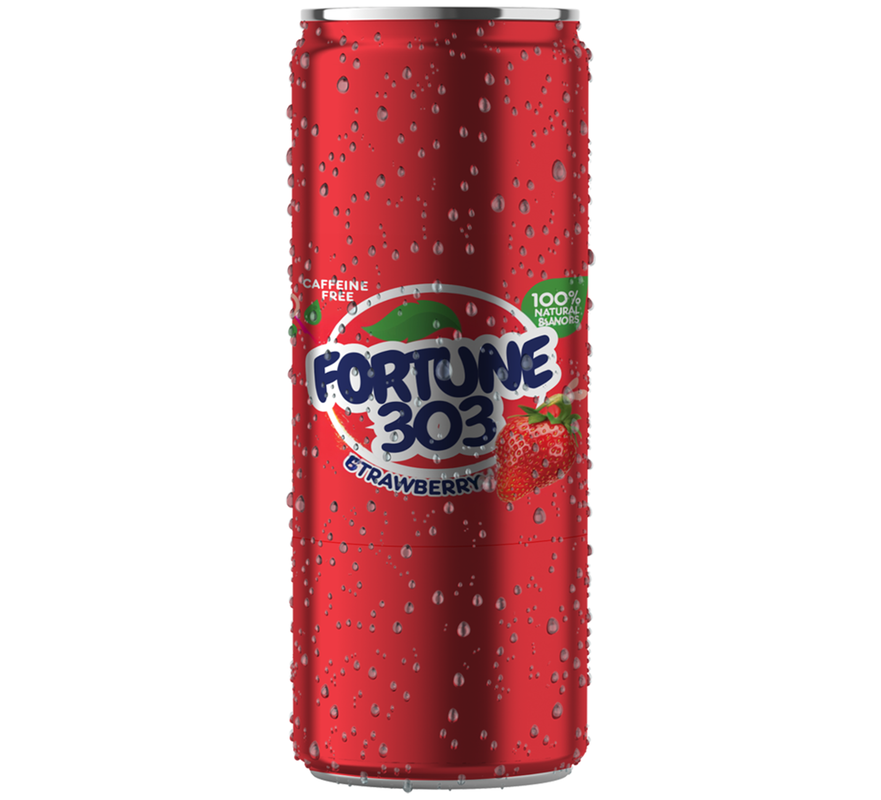
As you stroll down the beverage aisle, you can’t help but notice the explosion of healthy energy drinks on the shelves. It’s clear that consumers are driving this trend, seeking out natural ingredients and low-calorie counts that fit their wellness-focused lifestyles. But what’s behind this shift, and how are big brands adapting to meet the demand? You’re about to find out. The energy drink market is on the cusp of a significant transformation, and understanding the driving forces behind it could be the key to unlocking new opportunities – or uncovering potential pitfalls.
The Shifting Consumer Landscape
Your fitness tracker says you’ve been burning calories at an alarming rate, and your Instagram feed is flooded with #fitspo influencers guzzling energy drinks.
You’re not alone – the global energy drink market is booming, driven by consumers like you seeking a quick energy boost to power through their busy lives.
But what’s driving this trend? For one, the wellness movement has become a major force, with people prioritizing health and fitness over traditional vices like fast food and soda.
As a result, energy drinks have had to adapt, with many brands now touting natural ingredients and low calorie counts to appeal to this new breed of health-conscious consumers.
You’re also more discerning, seeking out products that align with your values and lifestyle.
This shift in consumer behavior has created a market ripe for innovation and disruption – and energy drink manufacturers are taking note.
Healthy Energy Drinks on the Rise
As consumers increasingly prioritize their well-being, the demand for healthy energy drinks has skyrocketed.
You’re likely noticing more shelves dedicated to these beverages in stores and online. This surge in popularity is driven by your desire for a quick energy boost without the guilt of consuming high amounts of sugar, caffeine, or artificial ingredients.
Healthy energy drinks typically contain natural ingredients like green tea, ginseng, and coconut water, which appeal to your health-conscious nature.
These drinks often have fewer calories and less sugar than traditional energy drinks, making them an attractive alternative. You’re also drawn to the transparency of their labeling, which clearly lists the ingredients and their benefits.
As a result, you’re driving the growth of the healthy energy drink market. Manufacturers are responding by innovating and expanding their product lines to cater to your demands.
With the market expected to continue its upward trend, it’s clear that healthy energy drinks are here to stay. You’re shaping the future of the energy drink industry, and manufacturers are taking note.
Big Brands Jump on the Bandwagon
Frequently, industry giants are quick to capitalize on emerging trends, and the healthy energy drink market is no exception.
You’ve probably noticed that big brands like PepsiCo, Coca-Cola, and Red Bull have been jumping into the healthy energy drink space. They’re introducing new products, acquiring smaller brands, or partnering with existing players to tap into this growing market.
For instance, PepsiCo acquired a stake in Rockstar Energy, while Coca-Cola bought a minority stake in BodyArmor. Red Bull, on the other hand, launched its own organic energy drink line, Red Edition.
You might wonder why these big brands are so eager to get in on the action. The answer lies in the numbers.
The healthy energy drink market is projected to continue growing at a rapid pace, driven by consumers’ increasing demand for natural ingredients, low sugar content, and sustainable packaging. By entering this market, big brands can attract a new customer base, boost sales, and stay competitive.
As a result, you can expect to see more big brands jumping on the healthy energy drink bandwagon in the coming years.
The Science Behind Healthy Energy
The healthy energy drink market’s rapid growth is fueled by consumers’ increasing demand for natural ingredients, low sugar content, and sustainable packaging.
You’re likely wondering what makes these drinks “healthy” and how they differ from traditional energy drinks. The answer lies in the science behind their formulation.
Healthy energy drinks typically contain natural stimulants like guarana, yerba mate, and ginseng, which provide a sustained energy boost without the crash that often follows traditional energy drinks.
These ingredients work in synergy with other natural compounds like vitamins, minerals, and amino acids to support your body’s natural Fortune303 production. Additionally, healthy energy drinks often feature adaptogenic herbs like ashwagandha and rhodiola, which help your body adapt to stress and promote mental clarity.
A Sustainable Future for Energy Drinks
Energy drink packaging waste piles up fast, and you’re likely contributing to the problem with every can or bottle you discard.
The convenience of energy drinks comes with a hefty environmental cost. According to the United Nations, the world generates over 300 million tons of plastic waste every year, with a significant portion coming from single-use packaging.
As consumers become more eco-conscious, the energy drink industry is under pressure to adapt.
You can expect to see a shift towards sustainable packaging in the coming years. Companies are already exploring eco-friendly alternatives, such as biodegradable or compostable materials, refillable containers, and even edible packaging.
Some brands are taking it a step further by implementing recycling programs or partnering with environmental organizations to offset their carbon footprint.
As consumers, you have the power to drive this change by choosing energy drinks with sustainable packaging and holding companies accountable for their environmental impact.
Conclusion
As you navigate the rapidly evolving energy drink market, it’s clear that healthy options are here to stay. With consumers driving demand for natural ingredients and low-calorie counts, manufacturers are innovating to meet their needs. Expect the trend to continue, with big brands and startups alike investing in sustainable, science-backed products that prioritize wellness. The future of energy drinks is looking healthier – and it’s exciting to see what’s next.