

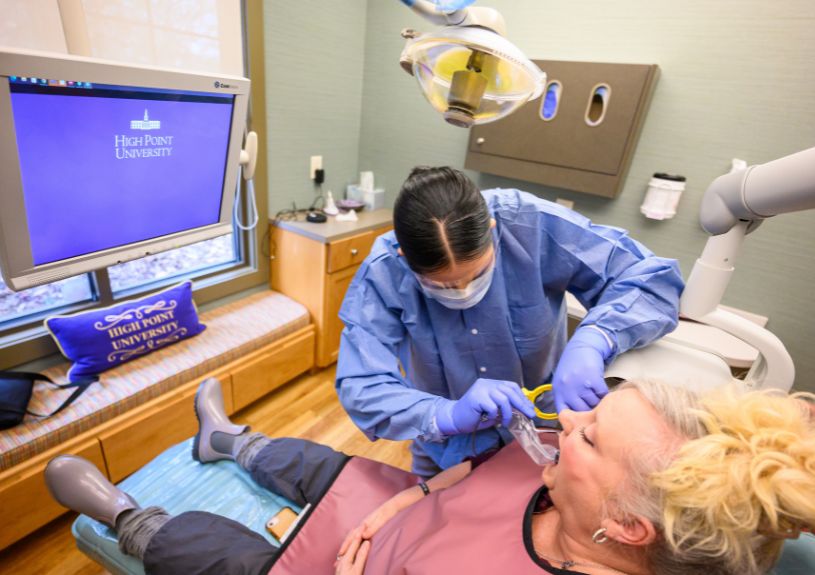
Orthodontic care isn’t just about straightening teeth for cosmetic reasons — it’s a crucial part of long-term oral health. In High Point, as in many communities, parents and caregivers are increasingly recognizing the importance of early orthodontic care for children. Early intervention — often beginning while a child still has some baby teeth — can set the stage for a lifetime of healthy smiles and reduced dental complications.
What Is Early Orthodontic Care?
Early orthodontic care, also called interceptive or Phase 1 treatment, involves evaluating a child’s dental and facial development at a young age — typically around age 7, when the first permanent molars and incisors have emerged. At this stage, an orthodontist can identify subtle problems with jaw growth, tooth alignment, bite relationships, and oral habits before they become more serious.
The American Association of Orthodontists (AAO) recommends that children have their first orthodontic evaluation by age 7. This doesn’t always mean treatment will start immediately, but it allows an orthodontist to monitor growth and plan treatment at the optimal time.
1. Early Detection of Orthodontic Issues
One of the biggest advantages of early orthodontic care is the ability to detect potential problems early — before they worsen. Issues such as crowding, bite misalignments (overbite, underbite, crossbite), and jaw discrepancies can be identified while a child’s facial bones are still growing.
Because a young child’s jaw is more malleable, early treatment can influence how teeth and bones develop, reducing the severity of future problems. Without early evaluation, these issues might go unnoticed until they require more invasive and expensive treatments later.
2. Guiding Jaw Growth and Development
During childhood, the bones of the jaw are still forming. Early orthodontic care takes advantage of this natural growth period to guide jaw development in a way that supports proper alignment and function.
For example:
- Correcting skeletal imbalances between the upper and lower jaws.
- Creating space for permanent teeth to emerge in better positions.
- Reducing crowding or spacing issues before they become more complicated.
By guiding jaw growth early, an orthodontist in High Point can help ensure that a child’s facial structure and bite develop harmoniously, often leading to better outcomes than waiting until growth is complete.
3. Reducing the Need for More Complex Treatment Later
When orthodontic issues are addressed early, the complexity of future treatment may be significantly reduced. Early care can prevent minor problems from becoming major ones, which might otherwise require:
- Tooth extractions
- Orthognathic (jaw) surgery
- Longer courses of braces or aligners
Early intervention can often eliminate or simplify these needs, saving time, discomfort, and cost over the long term.
In some cases, early care can even prevent the need for full braces during the teen years — or make later treatment much shorter and easier.
4. Improved Oral Function and Comfort
Orthodontic issues don’t just affect how teeth look — they also influence how the mouth works. Problems such as crossbites, deep bites, and open bites can make chewing, speaking, and even breathing less efficient.
Early orthodontic care can help improve:
- Bite function, so chewing is more comfortable and effective.
- Speech development, especially if misaligned teeth interfere with pronunciation.
- Airway function, which can be important in children with mouth breathing or sleep-related breathing issues.
Correcting these functional problems early supports a child’s overall development and quality of life.
5. Better Oral Health and Easier Hygiene
Crowded or crooked teeth create nooks and crannies that are hard to clean with regular brushing and flossing. These areas can trap food particles and bacteria, increasing the risk of:
- Tooth decay
- Gum disease
- Bad breath
By aligning teeth earlier, it becomes easier for children to maintain good oral hygiene — reducing the likelihood of cavities and gum problems as they grow.
Good oral hygiene habits established early can have lasting benefits throughout life.
6. Boosted Self-Esteem and Confidence
A healthy, attractive smile contributes significantly to a child’s self-confidence. Children with noticeable dental problems may feel self-conscious about smiling or speaking in social situations.
Early orthodontic care can:
- Improve the appearance of a child’s smile
- Reduce teasing or social anxiety related to dental appearance
- Help children feel more confident interacting with peers
These psychological and social benefits are often as important as the physical ones.
7. Lower Overall Treatment Costs
Although early orthodontic care involves an initial investment, it can reduce overall High Point orthodontist costs by preventing more serious issues later. Simplifying future orthodontic needs, shortening treatment time, and reducing the need for complex procedures can all contribute to cost savings over a child’s lifetime.
For many families in High Point, planning orthodontic care early is a financially prudent choice as well as a health-focused one.
8. Preservation of Natural Teeth
By addressing alignment and spacing issues early, orthodontic care can help preserve natural teeth. When crowding or bite problems are corrected, there’s less abnormal wear and tear on teeth — meaning fewer restorative procedures like crowns or fillings later on.
Preserving natural teeth is always preferable to replacement or reconstruction, making early care an important preventative measure.
9. Habit Correction and Behavioral Benefits
Certain oral habits — like thumb sucking, tongue thrusting, or prolonged pacifier use — can contribute to misalignment. Early orthodontic evaluation allows specialists to identify and address these habits before they negatively affect dental development.
By intervening early, orthodontists can guide healthier oral behavior and prevent future alignment problems.
10. Establishing a Relationship With an Orthodontic Specialist
Finally, early care helps establish a long-term relationship between your child and an orthodontic specialist in High Point. This ongoing relationship allows the orthodontist to monitor development, make timely recommendations, and tailor care to your child’s evolving needs.
Regular evaluations help ensure that treatment begins only when necessary, and that it’s planned for the most effective time.
2. Guiding Jaw Growth and Development
0
Early orthodontic care offers a wide range of benefits — from preventing complex problems and guiding jaw growth to improving oral function and boosting self-confidence. For families in High Point, seeking an early evaluation with a qualified orthodontist can set your child on a path toward a healthy, beautiful smile that lasts a lifetime.