

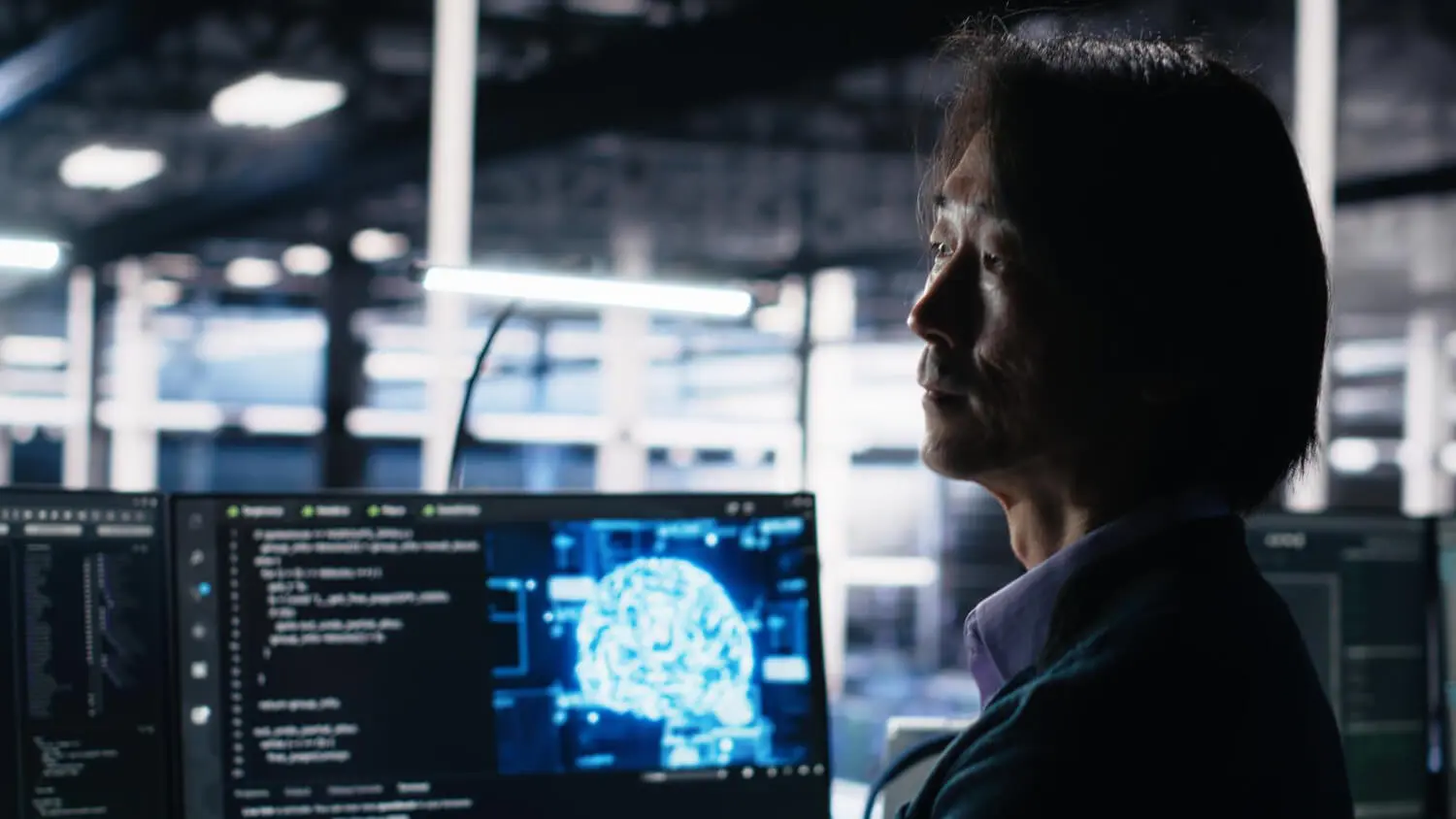
In the modern business landscape, efficiency, precision, and adaptability are critical for success. Companies are increasingly relying on technology to gain a competitive edge, and at the heart of this transformation is the AI Automation Specialist. These professionals are not just coders or tech experts—they are architects of intelligent systems that redefine how businesses operate, make decisions, and interact with customers.
Who Is an AI Automation Specialist?
An AI Automation Specialist is a professional who designs, develops, and manages intelligent systems powered by artificial intelligence. Their role goes beyond traditional automation, which simply replaces manual work. Instead, they create AI-driven solutions capable of learning, adapting, and making decisions based on data.
By integrating machine learning, natural language processing, predictive analytics, and advanced algorithms, AI automation specialists help businesses achieve operational efficiency, reduce errors, and uncover insights that were previously inaccessible. They are the bridge between cutting-edge technology and strategic business growth.
Why Intelligent Systems Are Vital
Handling Complex Workflows
Businesses today generate massive amounts of data and operate in highly dynamic environments. Managing these complex workflows manually is time-consuming and prone to errors. Intelligent systems, designed by AI automation specialists, can process large volumes of data, monitor processes in real time, and optimize operations seamlessly.
Supporting Smart Decision-Making
Data is only useful if it informs decisions. AI-driven intelligent systems analyze trends, predict outcomes, and provide actionable insights. This allows businesses to make decisions faster, more accurately, and with greater confidence.
Enhancing Adaptability
In a rapidly changing market, adaptability is key. Intelligent systems learn from patterns, adjust to new data, and continuously improve. This ensures that business operations remain agile and can respond quickly to shifting demands.
How AI Automation Specialists Design Intelligent Systems
1. Understanding Business Needs
The process begins with understanding the organization’s goals and challenges. AI automation specialists analyze workflows, identify pain points, and determine where intelligent systems can provide the most impact. This strategic approach ensures that automation aligns with business objectives.
2. Building Data-Driven Solutions
Data is the foundation of intelligent systems. Specialists collect, clean, and structure data from various sources, creating a reliable dataset for machine learning models. These systems can then recognize patterns, predict trends, and make decisions with minimal human intervention.
3. Integrating Machine Learning and AI
At the core of intelligent systems is machine learning. AI ai integrator specialists train algorithms to recognize patterns, detect anomalies, and improve over time. By integrating AI into daily operations, businesses gain systems that think, adapt, and evolve continuously.
4. Ensuring Scalability and Reliability
Designing an intelligent system is not just about functionality—it’s about longevity. Specialists ensure that AI solutions are scalable, reliable, and secure. Whether it’s handling increased data loads or integrating with new software, these systems are built to grow with the business.
5. Continuous Monitoring and Optimization
An intelligent system is never truly finished. AI automation specialists continuously monitor system performance, adjust algorithms, and refine models. This iterative process ensures that the system remains accurate, efficient, and aligned with evolving business needs.
Industries Benefiting from Intelligent Systems
Healthcare
AI systems assist in diagnostics, patient data management, and personalized treatment plans. This improves accuracy, reduces administrative workload, and enhances patient care.
Finance
Banks and investment firms use intelligent systems for fraud detection, risk assessment, and automated trading. AI-driven decisions are faster, more precise, and less prone to human error.
Retail
Intelligent systems optimize inventory management, analyze consumer behavior, and personalize marketing campaigns, enhancing customer experience and boosting sales.
Manufacturing
AI-driven systems monitor production lines, predict maintenance needs, and improve quality control, increasing efficiency and reducing waste.
The Human Element in Intelligent Systems
While AI systems are powerful, human expertise is essential. AI automation specialists design systems to support human decision-making rather than replace it. By combining AI’s efficiency with human creativity and strategic thinking, organizations achieve the best of both worlds.
Conclusion
The AI Automation Specialist is a key driver in the modern business world, designing intelligent systems that transform how companies operate. From improving efficiency to enabling smarter decisions, these professionals create solutions that are adaptable, scalable, and forward-thinking.
By investing in AI-driven intelligent systems, businesses gain a competitive edge, enhance productivity, and prepare for the future. With the guidance of an AI automation specialist, organizations can not only automate processes but also innovate, adapt, and thrive in an increasingly complex and digital landscape.